People
The founders, engineers and inventors whose decisions shaped what a toy became.
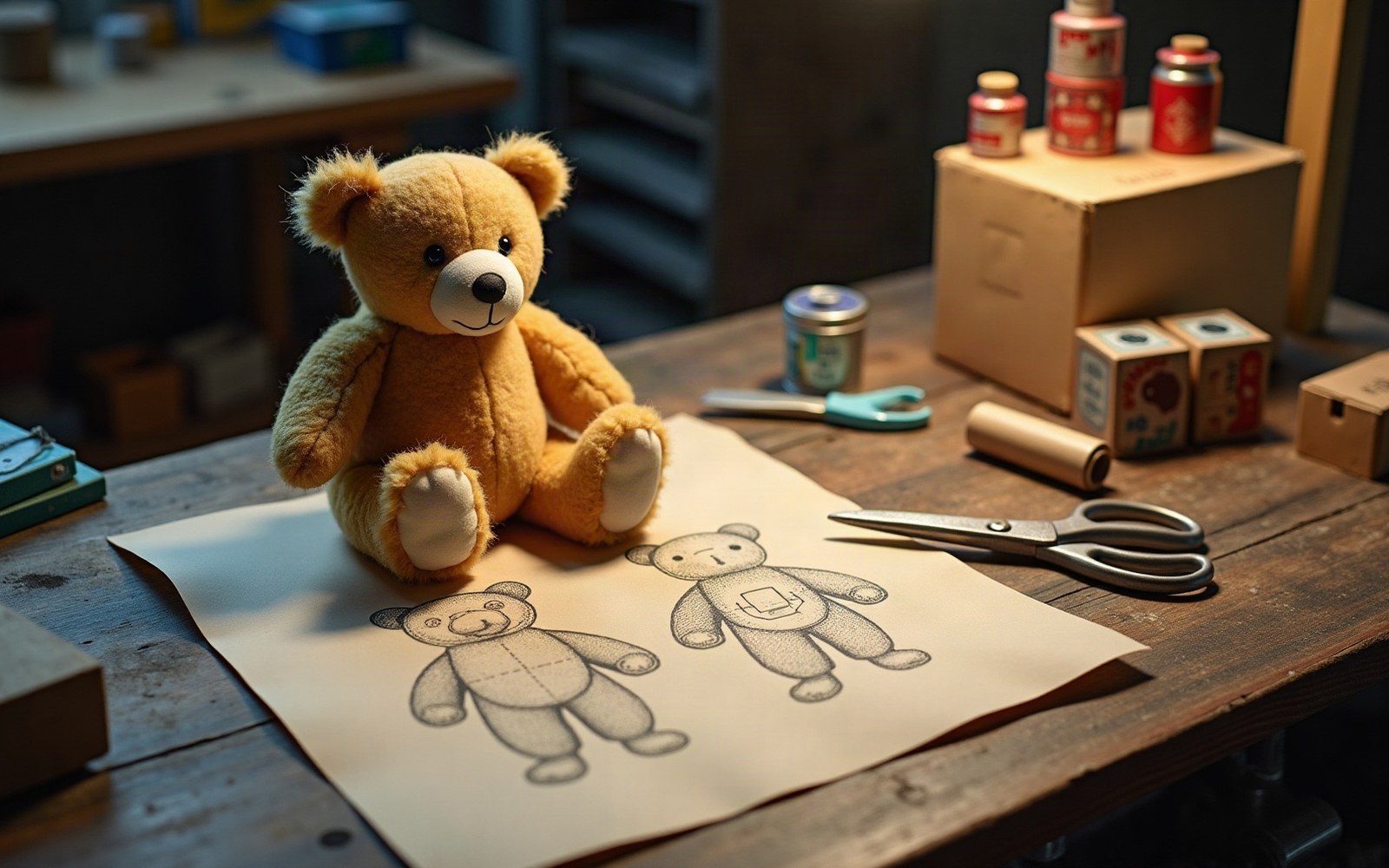
Margarete Steiff and Richard Steiff: What Each One Made
A comparison of Margarete Steiff's founding vision — a felt elephant, a seamstress's precision — with her nephew Richard's contribution of the jointed bear form and its presentation at the Leipzig fair in 1903. Distinguishes clearly what each person's role was and was not.
Lead piece · People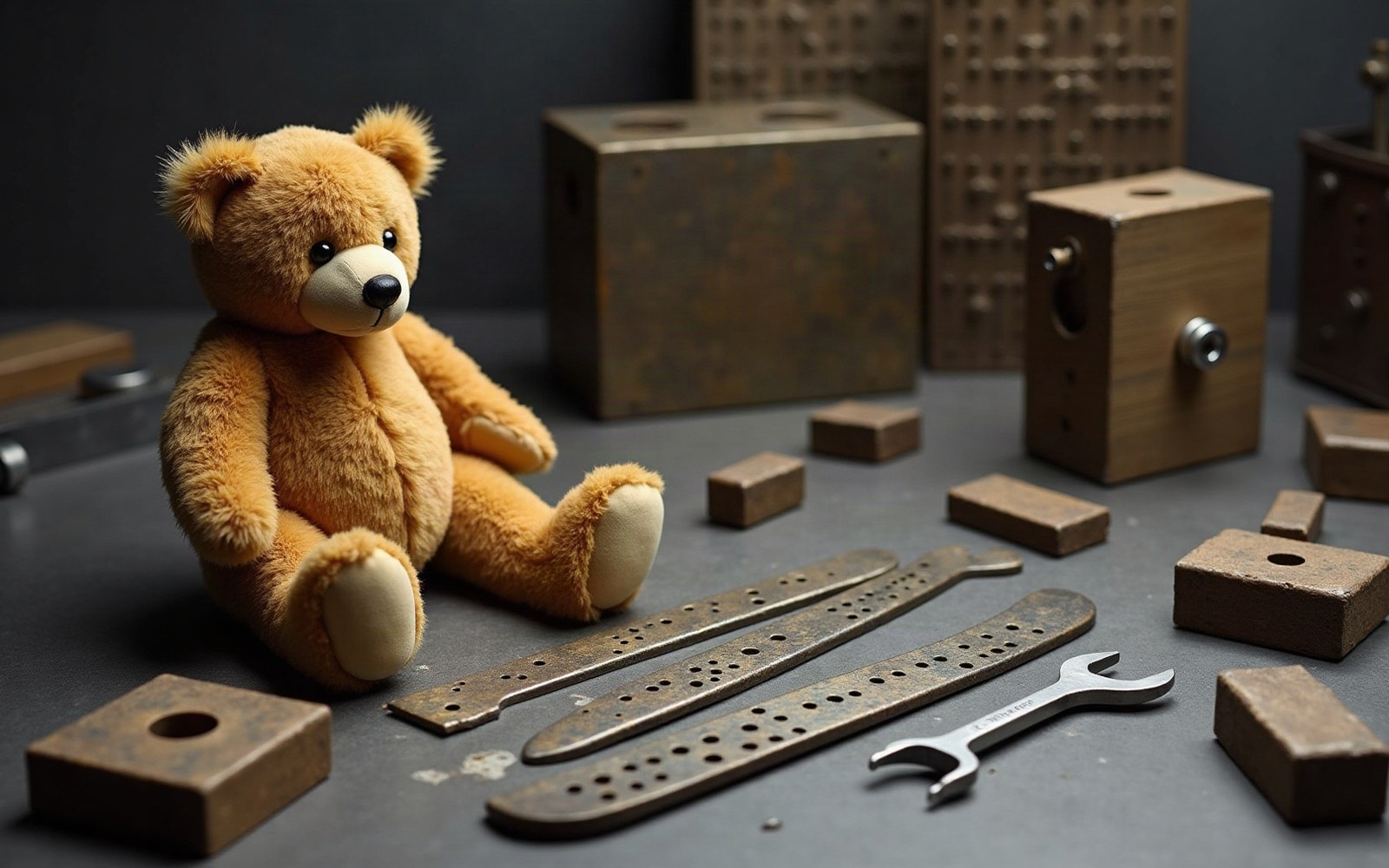
Frank Hornby at His Kitchen Table, 1898
The three years between Hornby's first experiments with strip-metal construction and the 1901 patent — what the prototype looked like, how he funded the first production run, and why the product was initially called 'Mechanics Made Easy'. A walk-through of the invention as a documented sequence.
Reference piece · People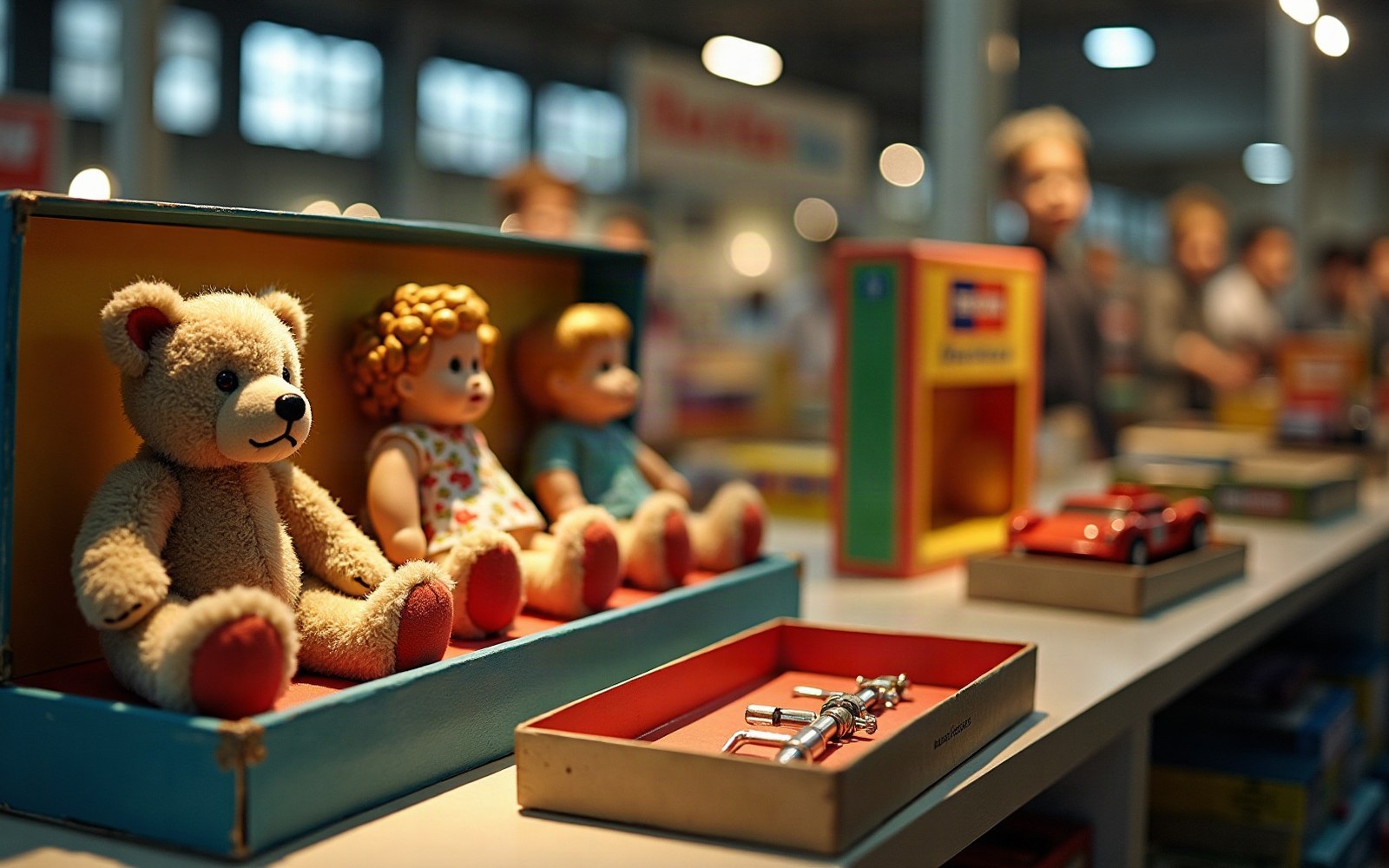
Ruth Handler at the 1959 Toy Fair and the Resistance She Overcame
The documented internal disagreement at Mattel over the Barbie doll — Elliot Handler's scepticism, the male buyers' reluctance at the 1959 American International Toy Fair — and how the doll's first-year sales of 351,000 units resolved the argument. Factual and attributed throughout.
Reference piece · People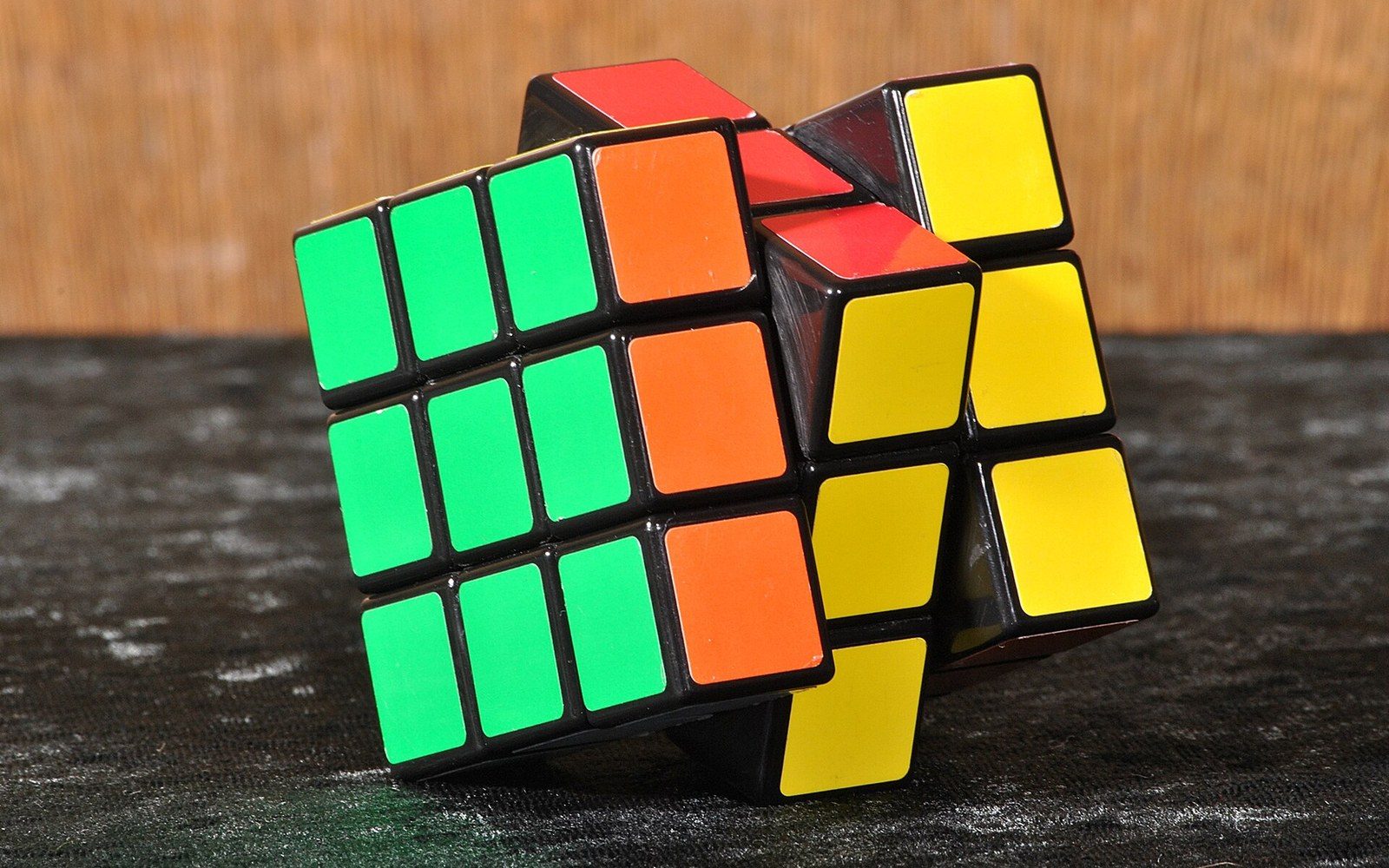
Ernő Rubik's Cube: 1974 in Budapest, 1980 Everywhere Else
The six-year gap between Rubik's 1974 prototype, made to demonstrate three-dimensional movement to architecture students, and the 1980 international release through Ideal Toy Company. Covers the Hungarian patent, the export licensing and the mechanics of the pivot system.
Reference piece · People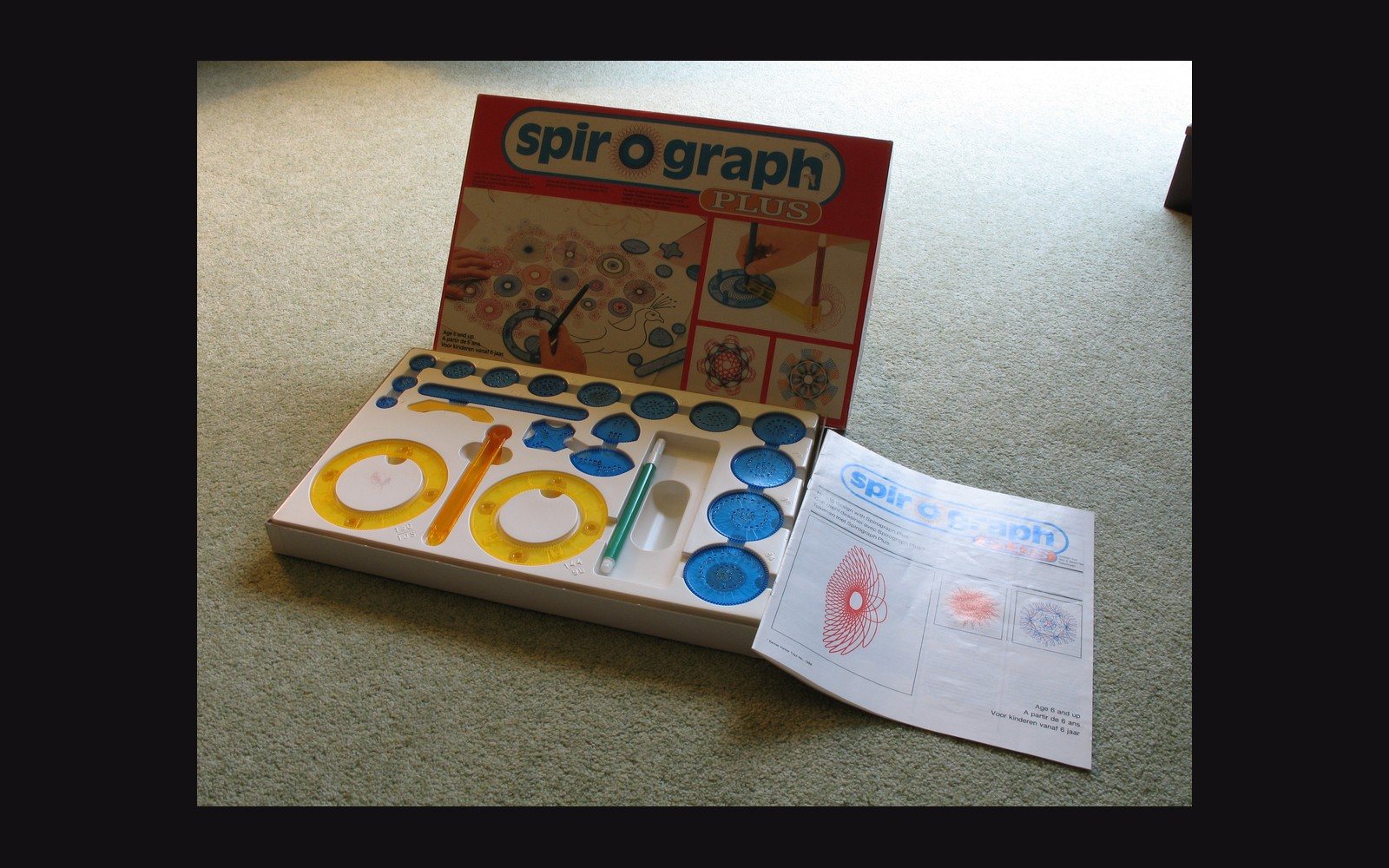
Denys Fisher's Spirograph and the Geometry Behind It
The 1965 patent by British engineer Denys Fisher for the Spirograph drawing toy — how the hypotrochoid and epitrochoid curves are produced by the gear teeth, and how Fisher's presentation at the 1965 Nuremberg Toy Fair led to the Kenner licensing deal.
Reference piece · People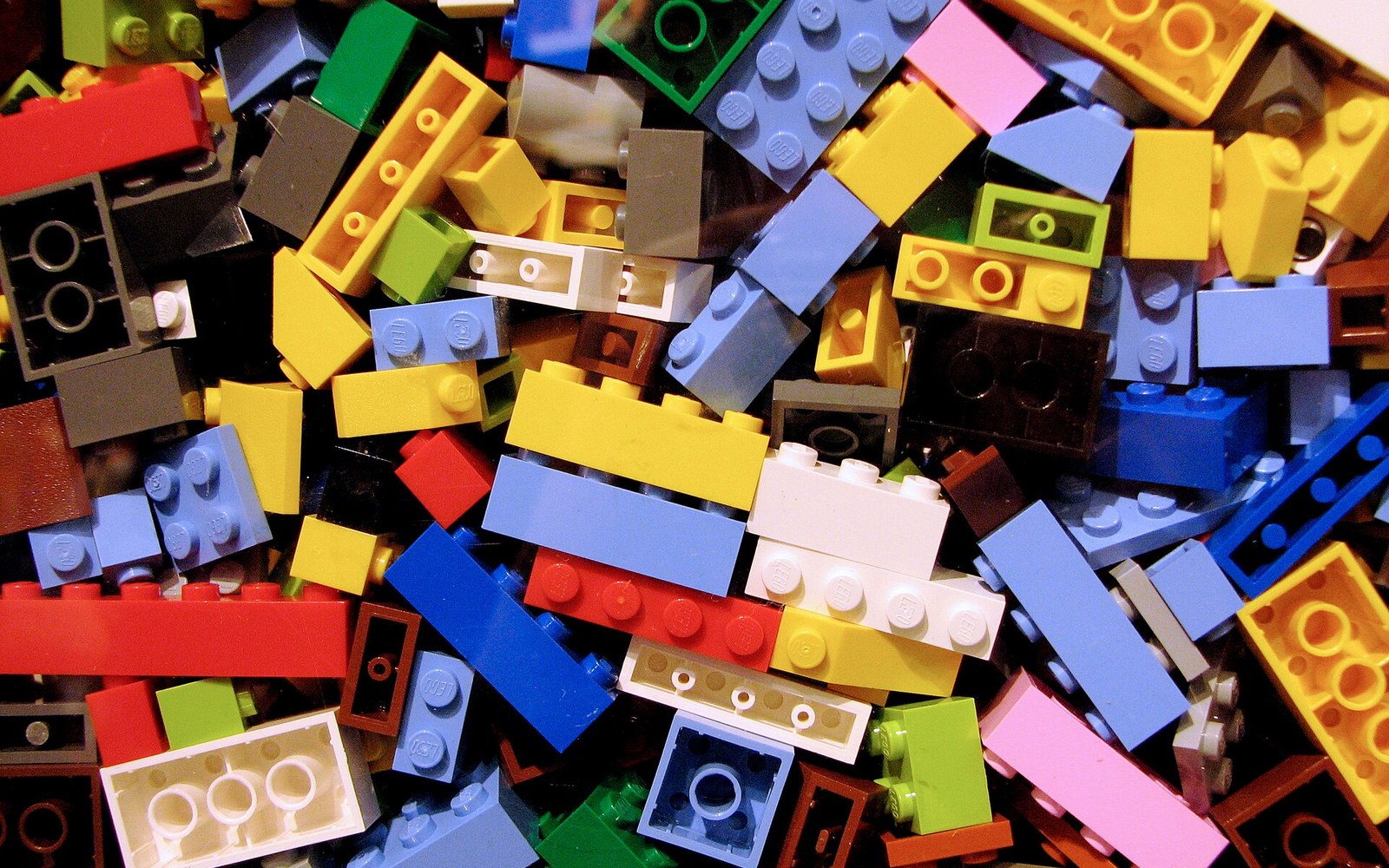
Godtfred Kirk Christiansen and the System of Play
The argument Godtfred Kirk Christiansen made internally in 1954 — that LEGO's product should be a compatible system, not a set of individual toys — and how that decision structured every product decision from the 1958 brick patent onward. An examination of the System of Play as a business and design doctrine.
Reference piece · People