Makers
The firms, their founding dates, and the decisions that made them last.
The Button in the Ear: Steiff's Mark from 1904
How Margarete Steiff's felt-elephant workshop became the firm behind the Knopf im Ohr trademark, with Richard Steiff's role in the bear's design. Covers the 1880 founding, the 1904 button registration, and what the button was made of at different production periods.
Lead piece · Makers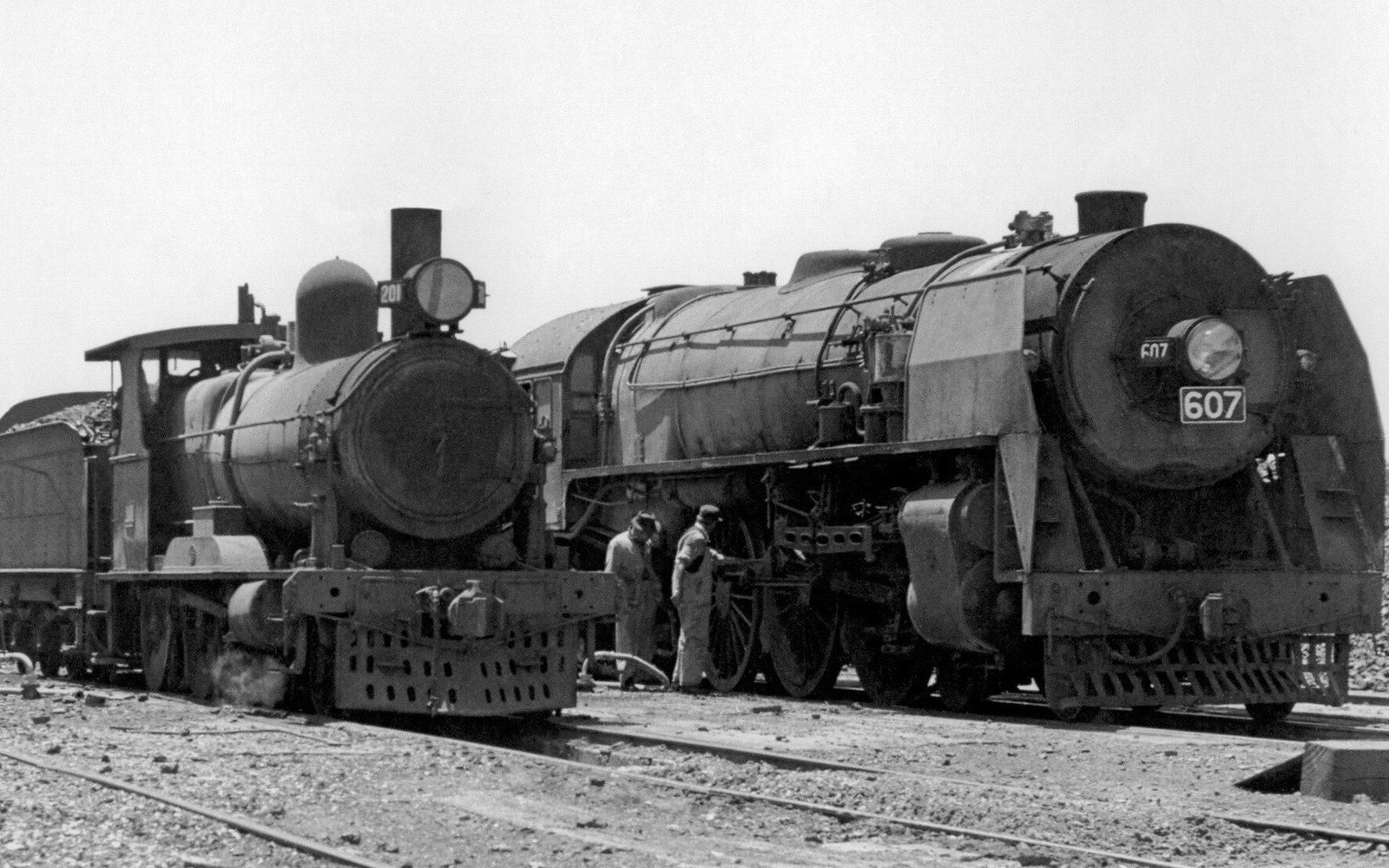
Joshua Lionel Cowen and the Track That Went Nowhere
The 1900 founding of Lionel Manufacturing, the window-display train that sold itself, and the gauge decisions that made Lionel's layout the American standard. An argument for why Cowen's marketing instinct was as consequential as his engineering.
Reference piece · Makers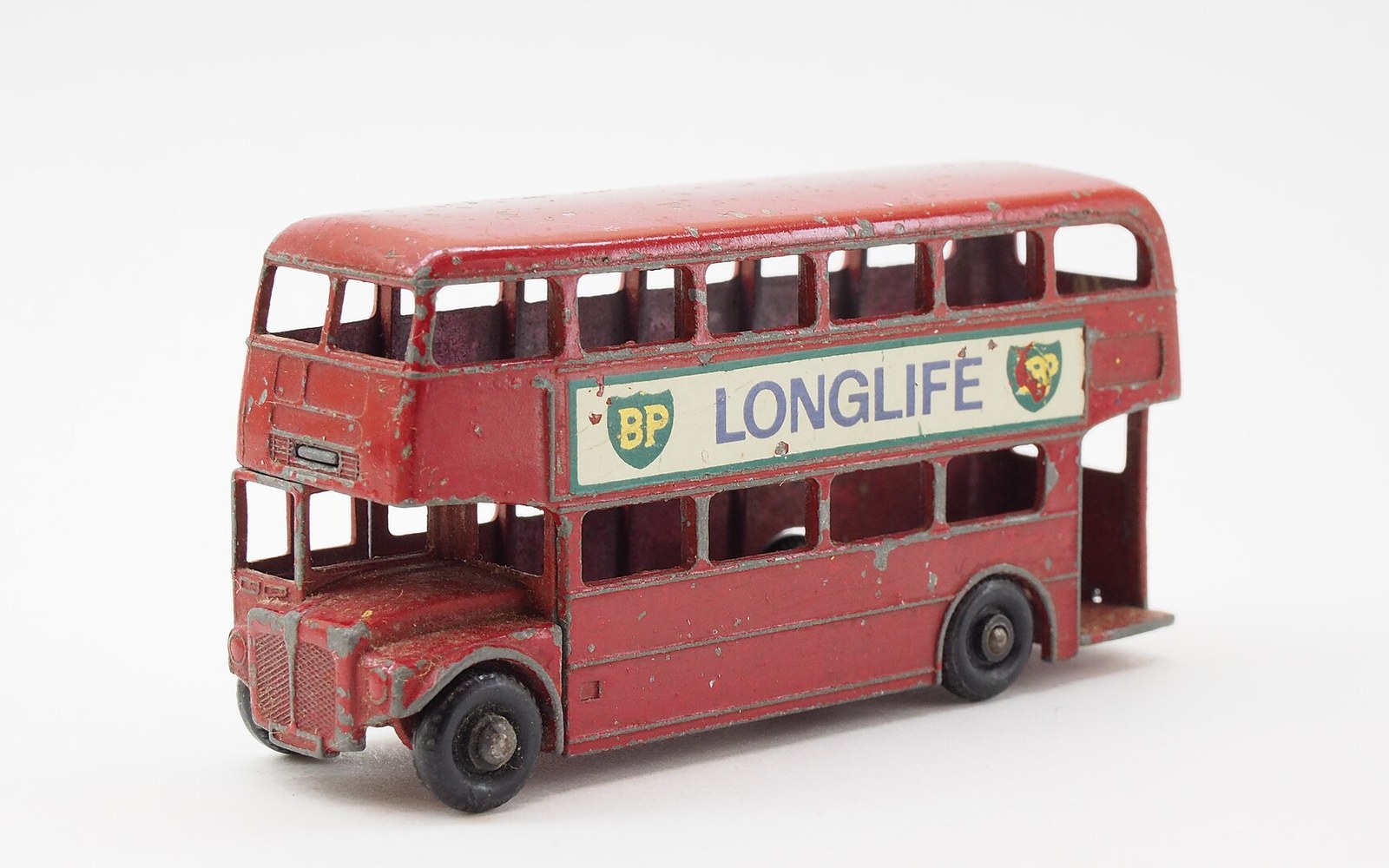
Jack Odell's Matchbox and the 1-75 Range
Lesney Products from its 1947 founding through Jack Odell's die-cast miniatures to the 1953 Matchbox name and the 1-75 numbered range. A walk-through of how the range was structured and what made the Lesney casting distinct from Dinky and Corgi.
Reference piece · Makers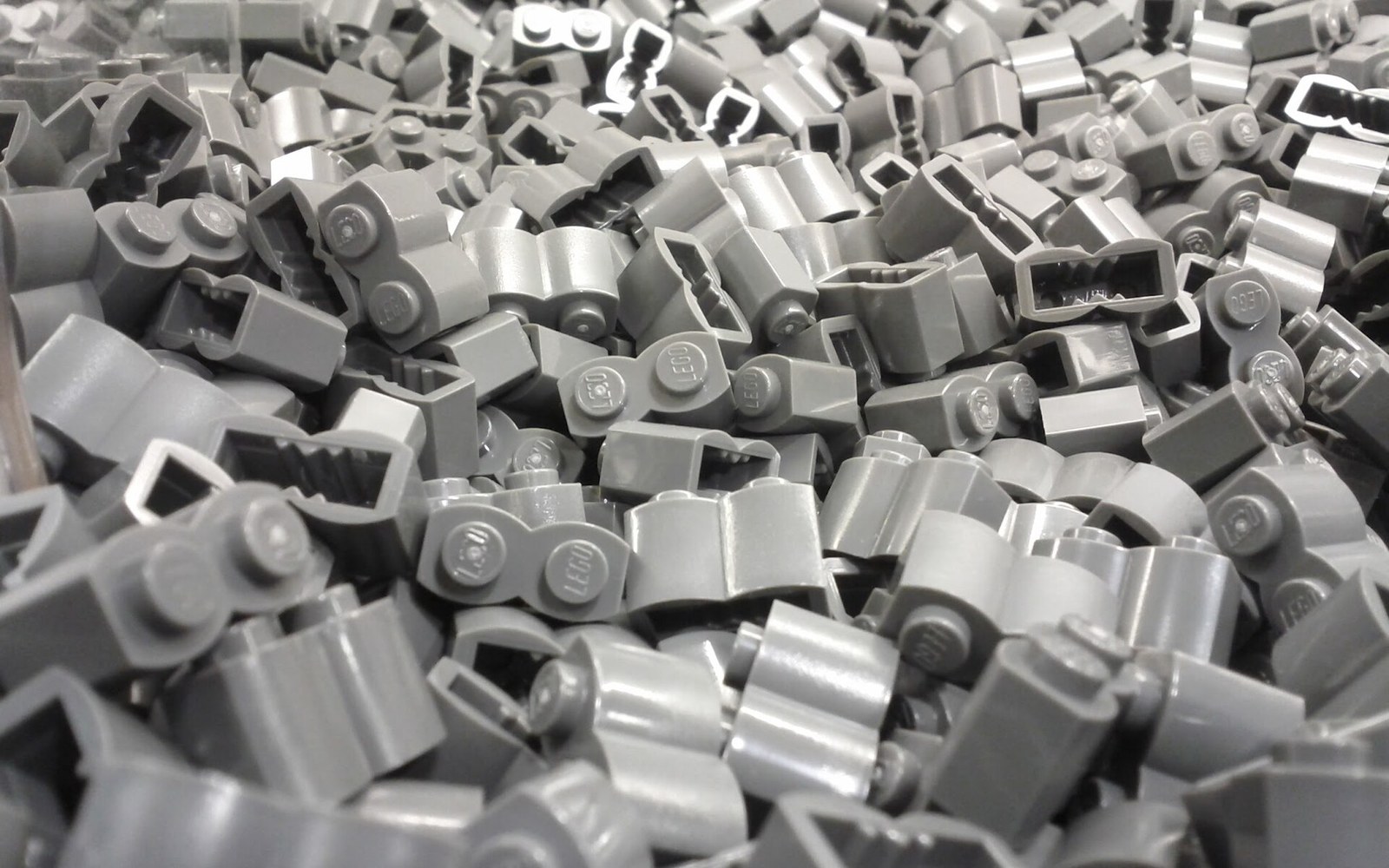
Ole Kirk Christiansen's Wooden Workshop and the Brick That Replaced It
LEGO's 1932 founding in Billund, the shift from wooden toys to plastic, and the 28 January 1958 patent for the stud-and-tube interlocking brick. Covers the role of Godtfred Kirk Christiansen in the System of Play and the ABS transition.
Reference piece · Makers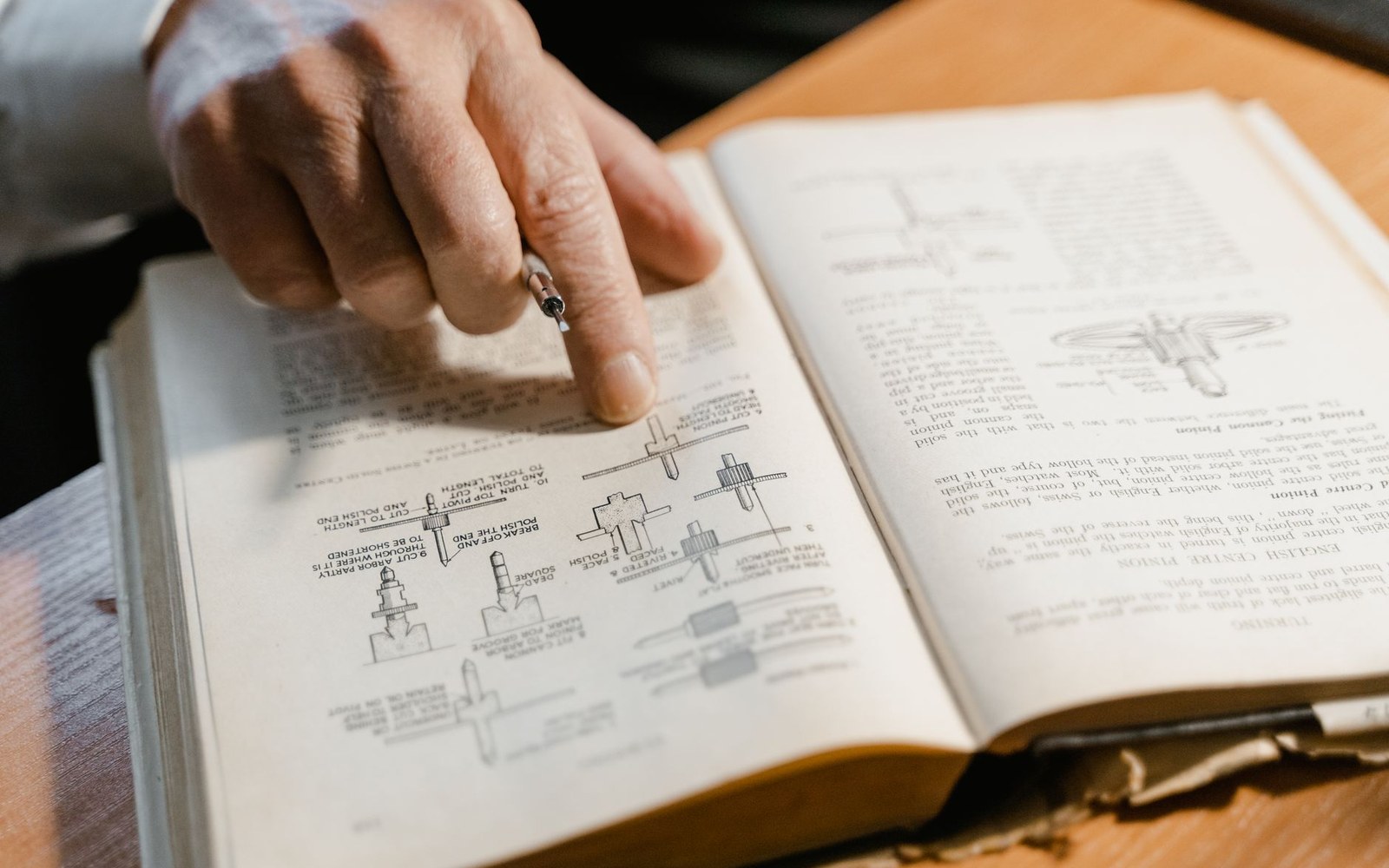
Frank Hornby's 1901 Patent and What the Manual Actually Specified
The patent filed as 'Improvements in Toy or Educational Devices for Children and Young People' and the naming of Meccano in 1907. Examines what the earliest sets contained and how the instruction manual functioned as a design document.
Reference piece · Makers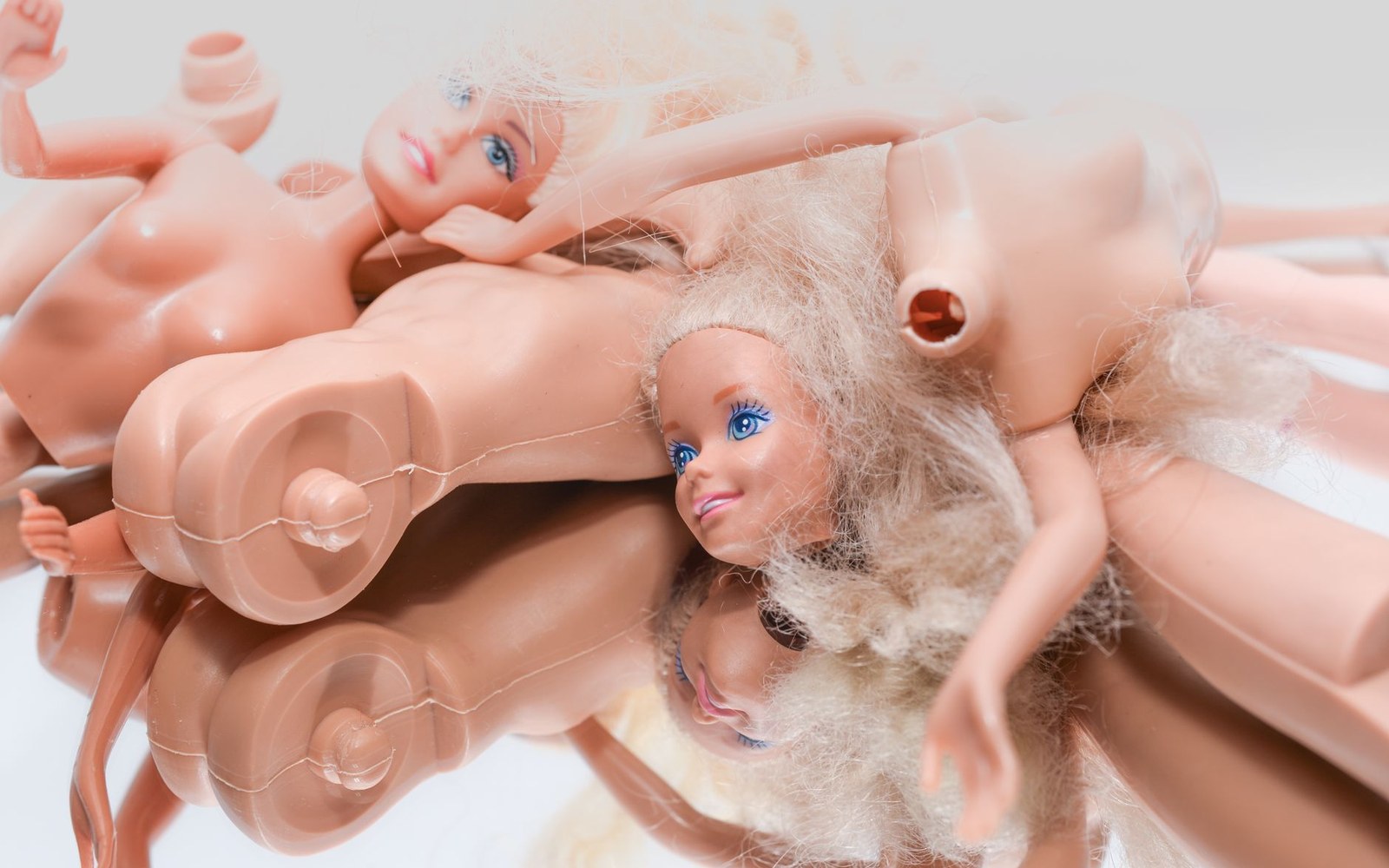
Mattel in 1945 and the Barbie Decision of 1959
Mattel's founding by Harold Matson and Elliot Handler, and Ruth Handler's case for a three-dimensional fashion doll at the 1959 American International Toy Fair. Covers the manufacturing choices that made Barbie's vinyl body and rooted hair commercially feasible at scale.
Reference piece · Makers