The brick is a tolerance, not a shape
The Lego Group states a moulding tolerance of 0.005 mm, and the brick has been ABS since 1963, when the material replaced cellulose acetate. The patent was filed on 28 January 1958. This site files every object by what it is made of.
Nearly all of it is moulded in six places, and one of them is a district
Where the machines are, rather than where the brands are registered.
Chenghai, Shantou
One district of Guangdong holds the largest concentration of toy factories anywhere, most of them moulding to order under other people’s brands.
PlacesBillund
A Jutland market town with a moulding plant, a head office and an airport the factory needed.
PlacesNuremberg
The fair has been held here every year since 1950; Sonneberg, which supplied Europe before it, is ninety minutes north.
PlacesFive pieces to start with, and none of them the same size
Across Makers, Materials, Places and People. The rest are on the section pages.
 Materials 02
Acrylonitrile Butadiene Styrene, Held to 0.005 mm
The tolerance that makes a LEGO brick grip and release without tools — and what it required of injection moulding equipment after LEGO moved from cellulose acetate to ABS in 1963.
Materials Makers 01
The Button in the Ear: Steiff's Mark from 1904
How Margarete Steiff's felt-elephant workshop became the firm behind the Knopf im Ohr trademark, with Richard Steiff's role in the bear's design.
Makers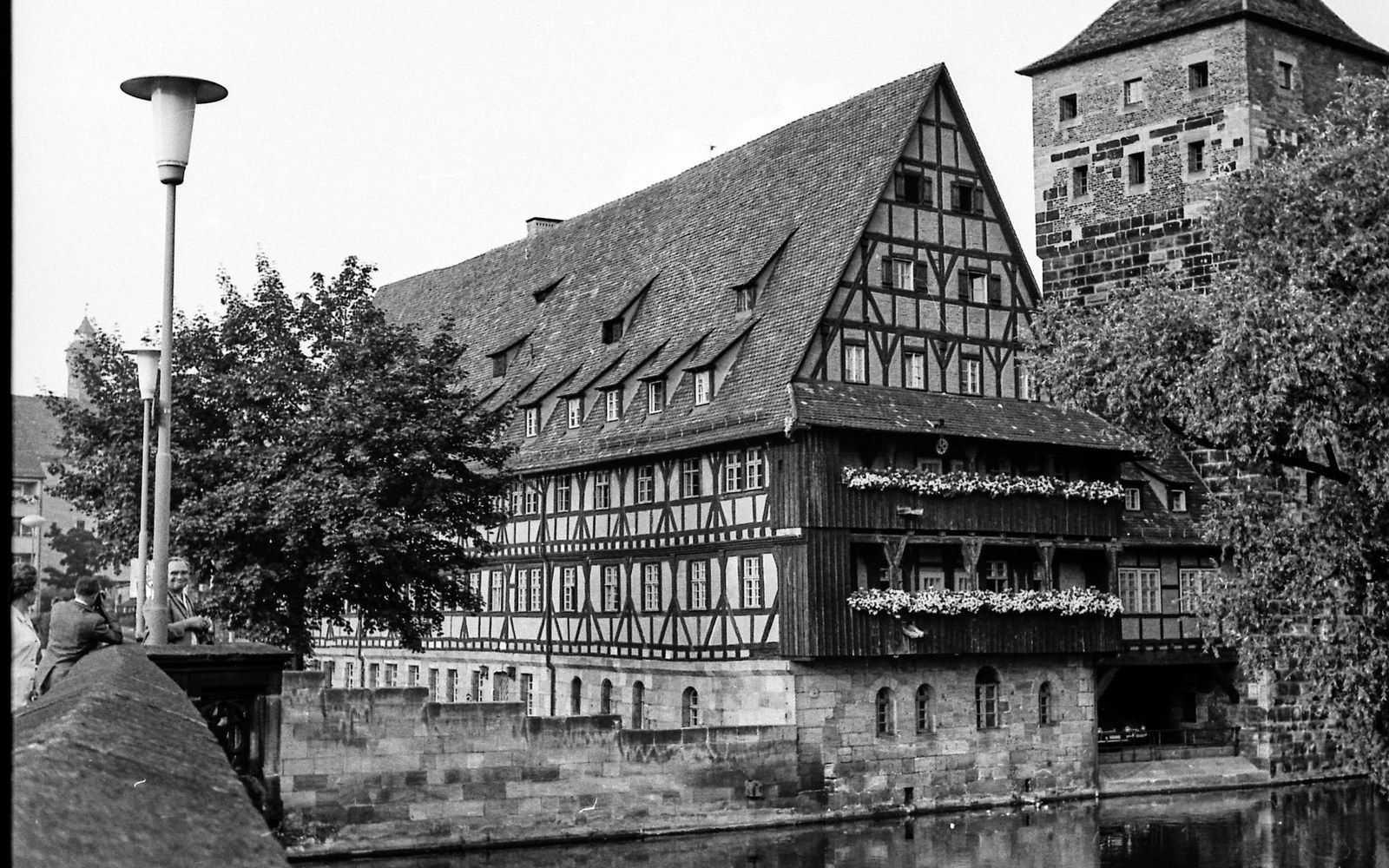 Places 03
Nuremberg, 1950: The Fair That Restarted the German Trade
The Nuremberg Toy Fair's founding in 1950 (and its pre-war history from 1903 in New York) as a physical site where the post-war German toy industry re-established its export position.
Places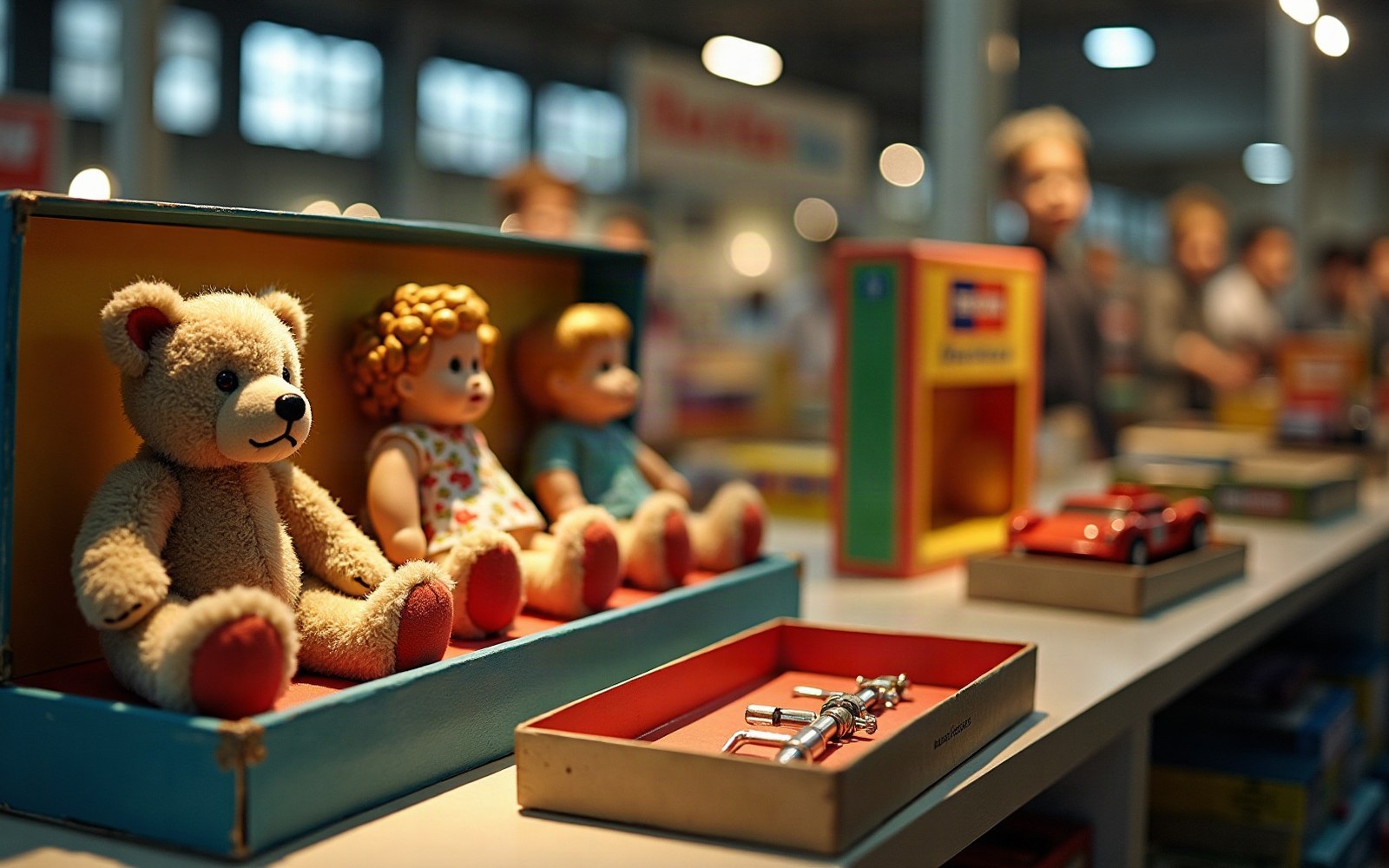 People 04
Ruth Handler at the 1959 Toy Fair and the Resistance She Overcame
The documented internal disagreement at Mattel over the Barbie doll — Elliot Handler's scepticism, the male buyers' reluctance at the 1959 American International Toy Fair — and how the doll's first-year sales of 351,000 units resolved the argument.
People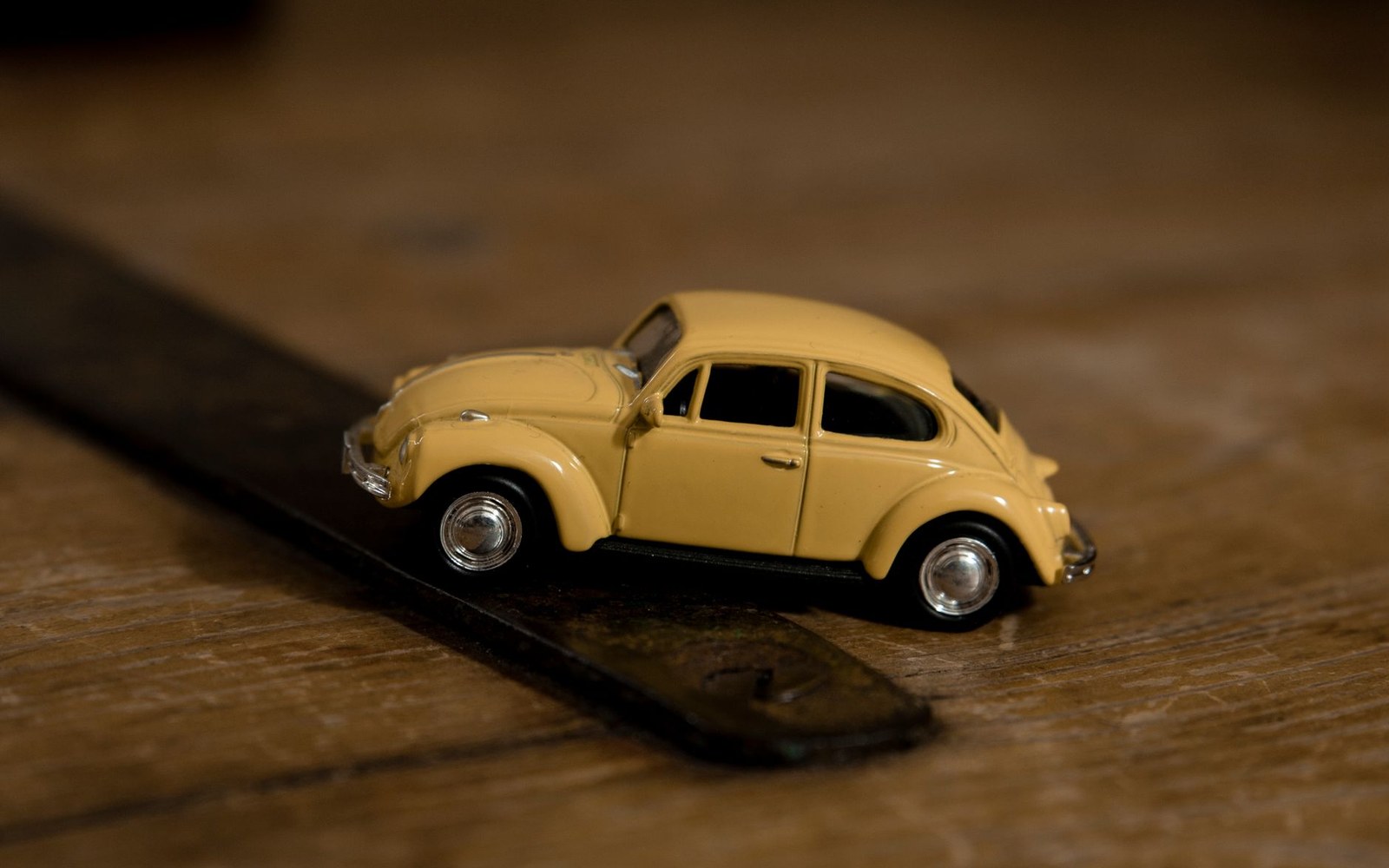 Materials 02
Zinc Alloy Forced Into Steel Under Pressure
Zamak — the zinc-aluminium-magnesium-copper alloy behind Dinky, Corgi and Matchbox castings — and the hot-chamber die-casting process that let small firms produce sharp, repeatable miniatures at volume.
MaterialsBarbie was shown at the New York Toy Fair in 1959. The fair itself has run since 1903.
The five sections
Makers
The firms, their founding dates, and the decisions that made them last.
6 pieces
Materials
What toys are made of, how the material was worked, and when it was replaced.
7 pieces
Places
The districts, fairs and factory towns where the toy trade was invented and moved.
5 pieces
People
The founders, engineers and inventors whose decisions shaped what a toy became.
6 pieces
Standards
The legislation that regulated what toys were made of and how they were built — as documented industrial history.
3 piecesTwenty-seven pieces, each one about a named firm, material, place, person or statute.
The whole roster, in the archive →