Frank Hornby at His Kitchen Table, 1898
The Three Years Before the Patent
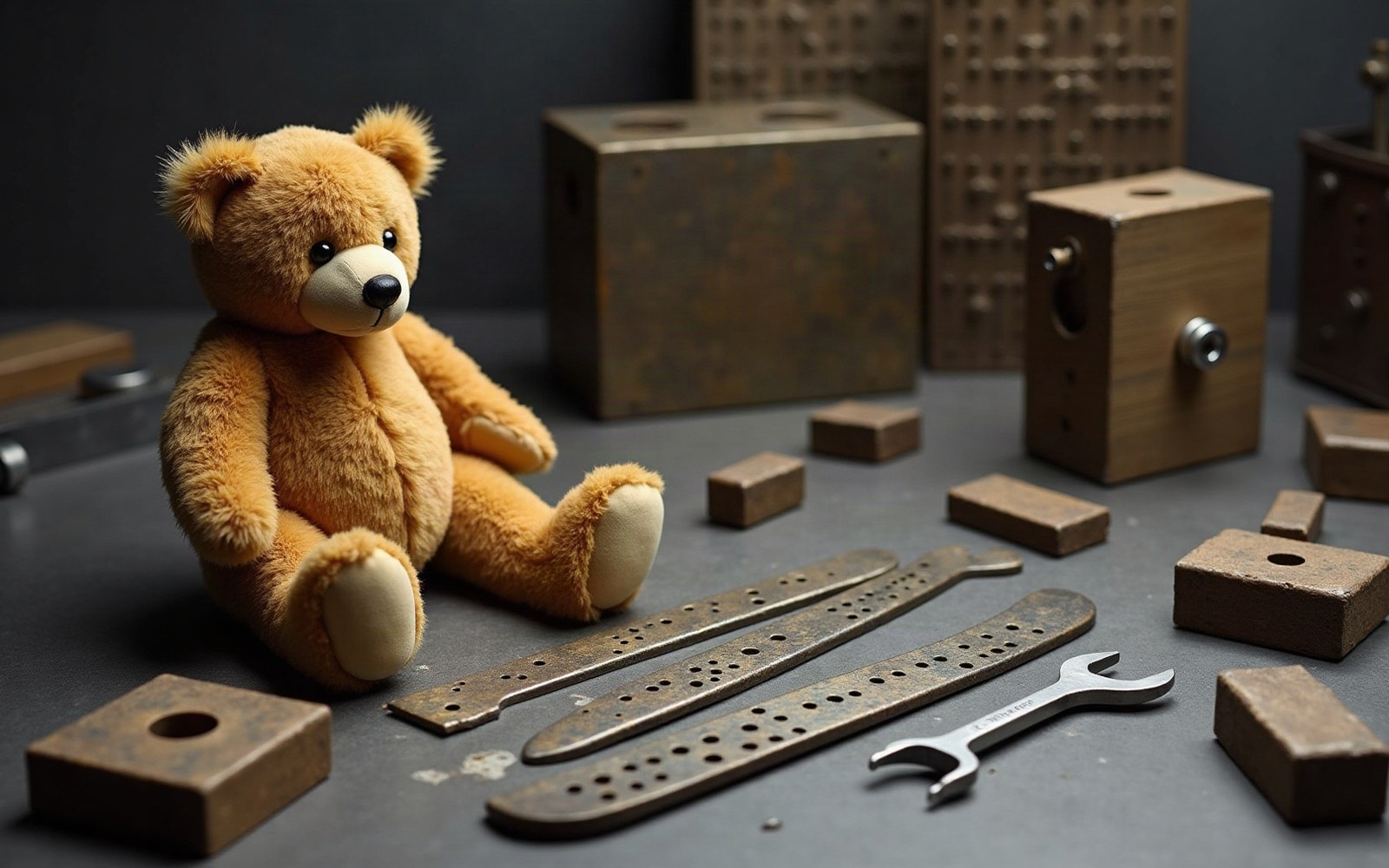
Frank Hornby was a Liverpool shipping clerk when, sometime around 1898, he began cutting and drilling strips of mild steel at home, exploring whether a set of interchangeable perforated parts could be assembled into working mechanical models. The idea was not decorative — it was structural and systematic: the same strip, the same hole spacing, the same nuts and bolts throughout, so that any part could connect to any other.
The surviving account of those experiments, drawn from Hornby's own later statements to the press, describes a crude prototype in which flat steel strips were punched with equally spaced holes at half-inch intervals. Angle brackets, wheels and axles completed the kit. No single component was unique; every piece was a unit in a grammar of construction. The prototype could be dismantled and rebuilt as something entirely different — a crane becoming a bridge, a bridge becoming a cart.
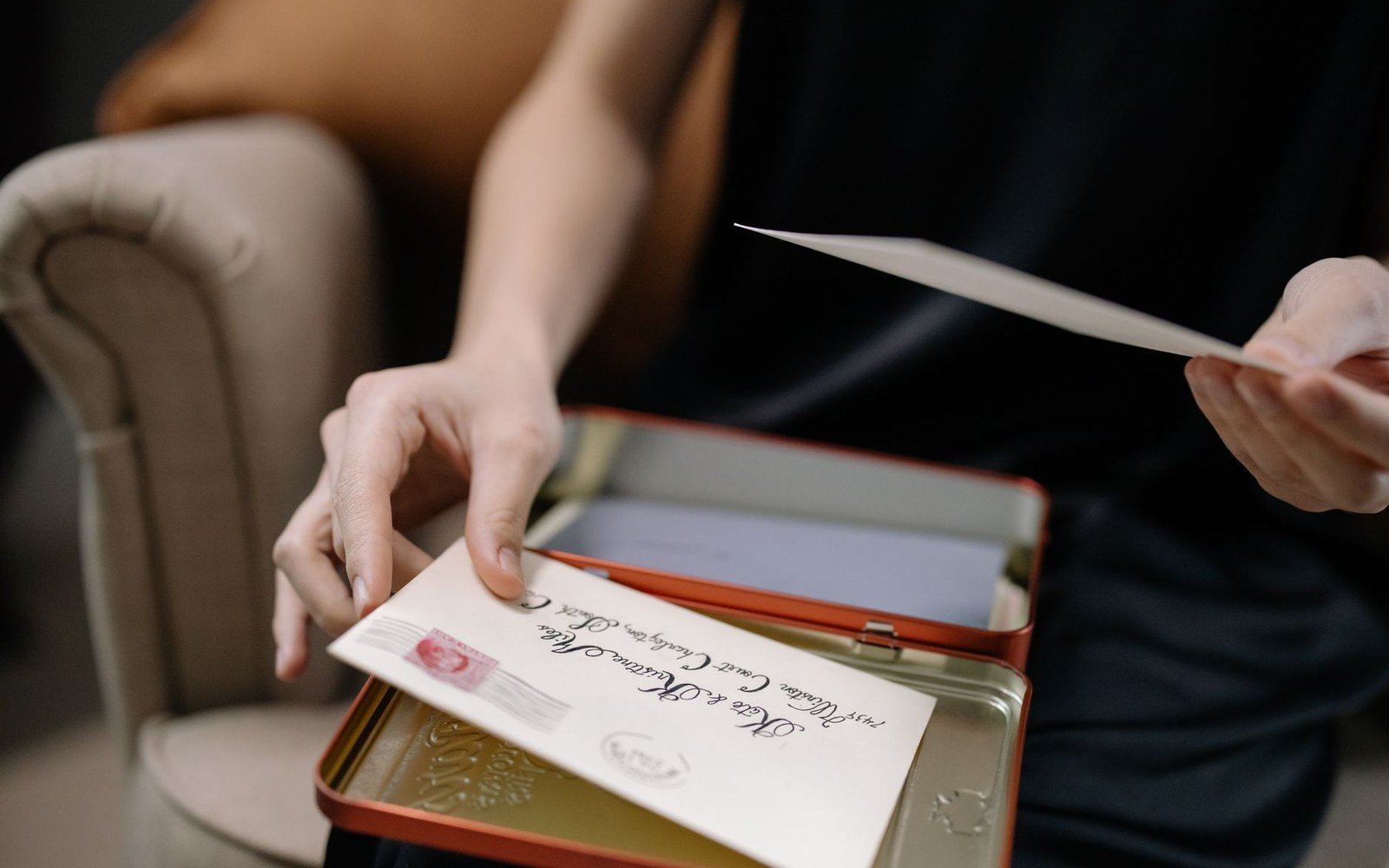
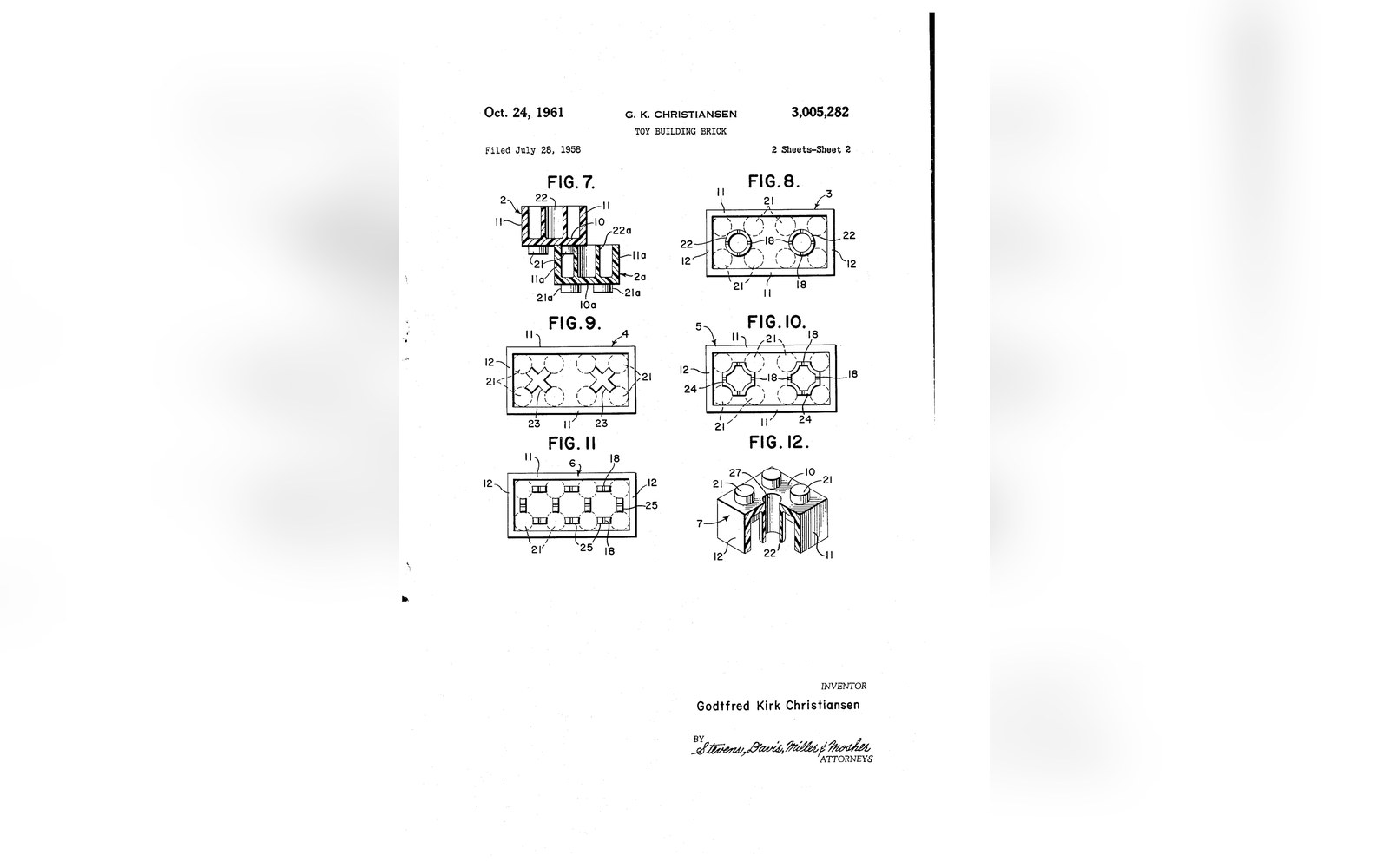
Hornby spent several years refining the geometry and persuading a business partner to back the venture. David Elliott, his employer at the shipping firm, provided the early capital that allowed a first small production run ahead of any patent protection. That financial dependency on an employer's goodwill shaped how carefully Hornby moved: the patent he finally filed in January 1901 was, by the time of application, a documented system rather than a speculative sketch.
The product that reached its first customers was sold under the name Mechanics Made Easy — a title that positioned the toy explicitly as educational apparatus rather than amusement. The name reflected a real ambition: Hornby believed the parts could teach a child the principles of the lever, the gear and the load-bearing joint through direct construction ↗, not illustration. That pedagogical framing also helped justify the price, which was considerably above the market for ordinary toys.
Mechanics Made Easy traded under that name until 1907, when Hornby renamed the system Meccano — a coinage he reportedly registered as a trademark ↗ in the same period. The kitchen-table prototype, imprecise and provisional as it was, had by then become a catalogued product line with its own factory, its own dealer network, and a design language that would prove durable enough to persist largely unchanged for decades.