Materials
What toys are made of, how the material was worked, and when it was replaced.
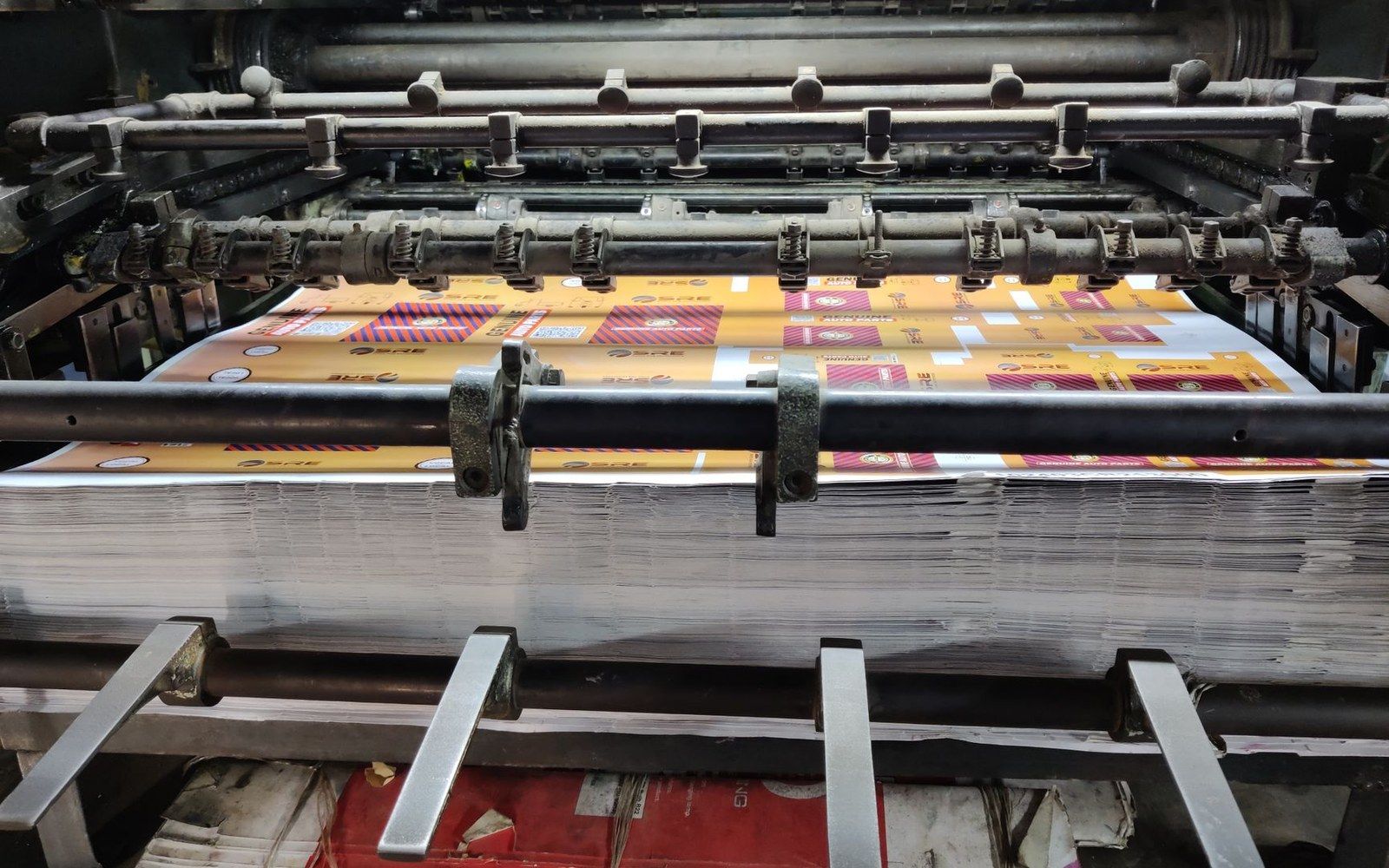
Lithographed Steel: Printed Before It Was a Shape
How tinplate toys were colour-printed as flat sheet and then pressed and formed into their final bodies — the reverse of almost every other manufacturing process. Covers the lithography method, the German workshops that perfected it, and what changed when plastics arrived.
Lead piece · Materials
Acrylonitrile Butadiene Styrene, Held to 0.005 mm
The tolerance that makes a LEGO brick grip and release without tools — and what it required of injection moulding equipment after LEGO moved from cellulose acetate to ABS in 1963. An explainer of the material properties and the tooling precision they demanded.
Reference piece · Materials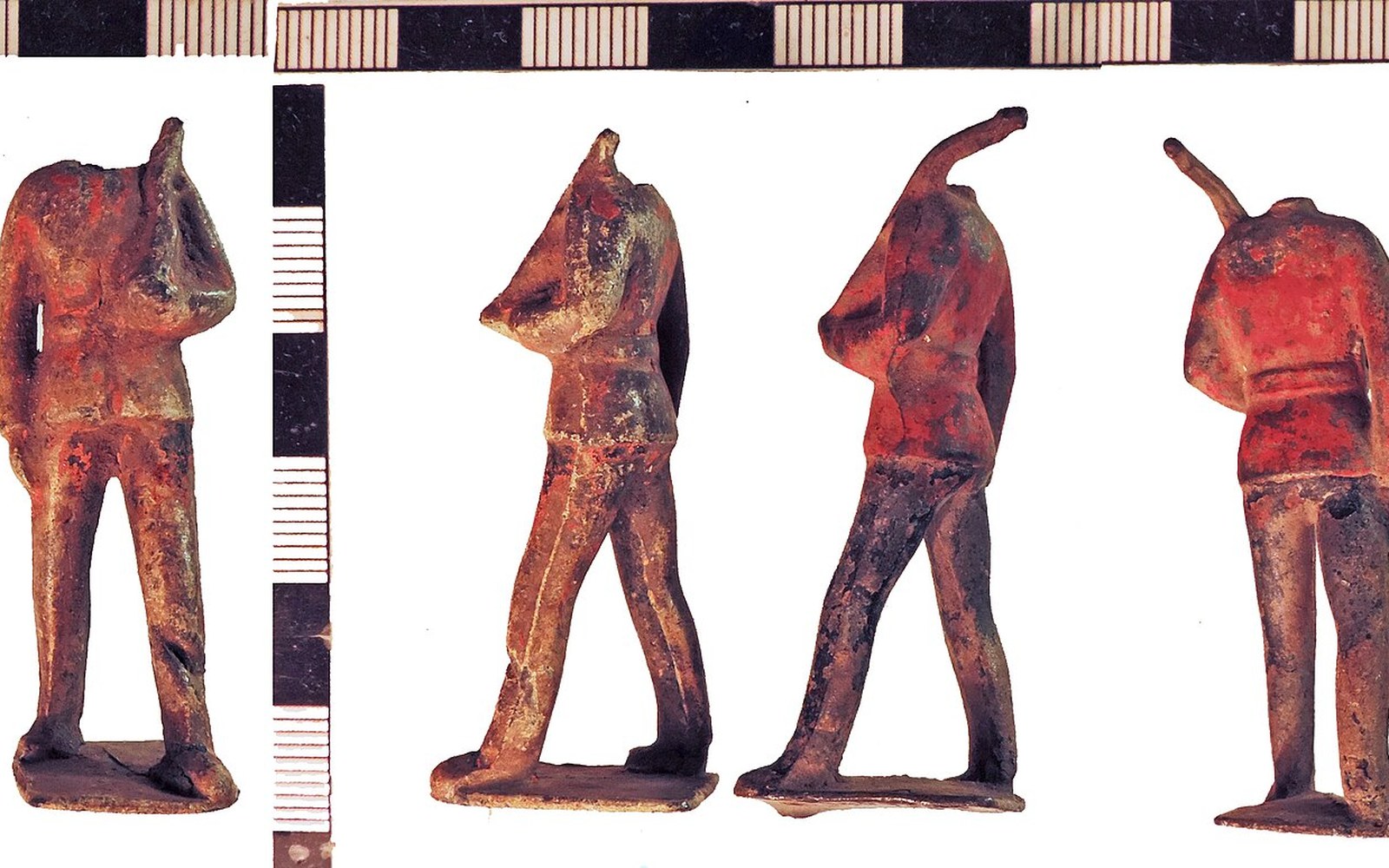
The Hollow-Cast Soldier and the Legislation That Ended It
Britains' 1893 hollow-casting process for lead soldiers — lighter, cheaper and sharper than solid cast — and the health research that eventually removed lead from toy manufacture. Traces the regulatory timeline in the UK and US.
Reference piece · Materials
Mohair Plush Over Wood Wool: What a Steiff Bear Is Made Of
The combination of woven mohair pile, excelsior (wood-shaving) stuffing and jointed hardwood discs that defined the high-end stuffed animal from 1900 through the mid-century. Compares Steiff's material specification with the synthetic alternatives that followed.
Reference piece · Materials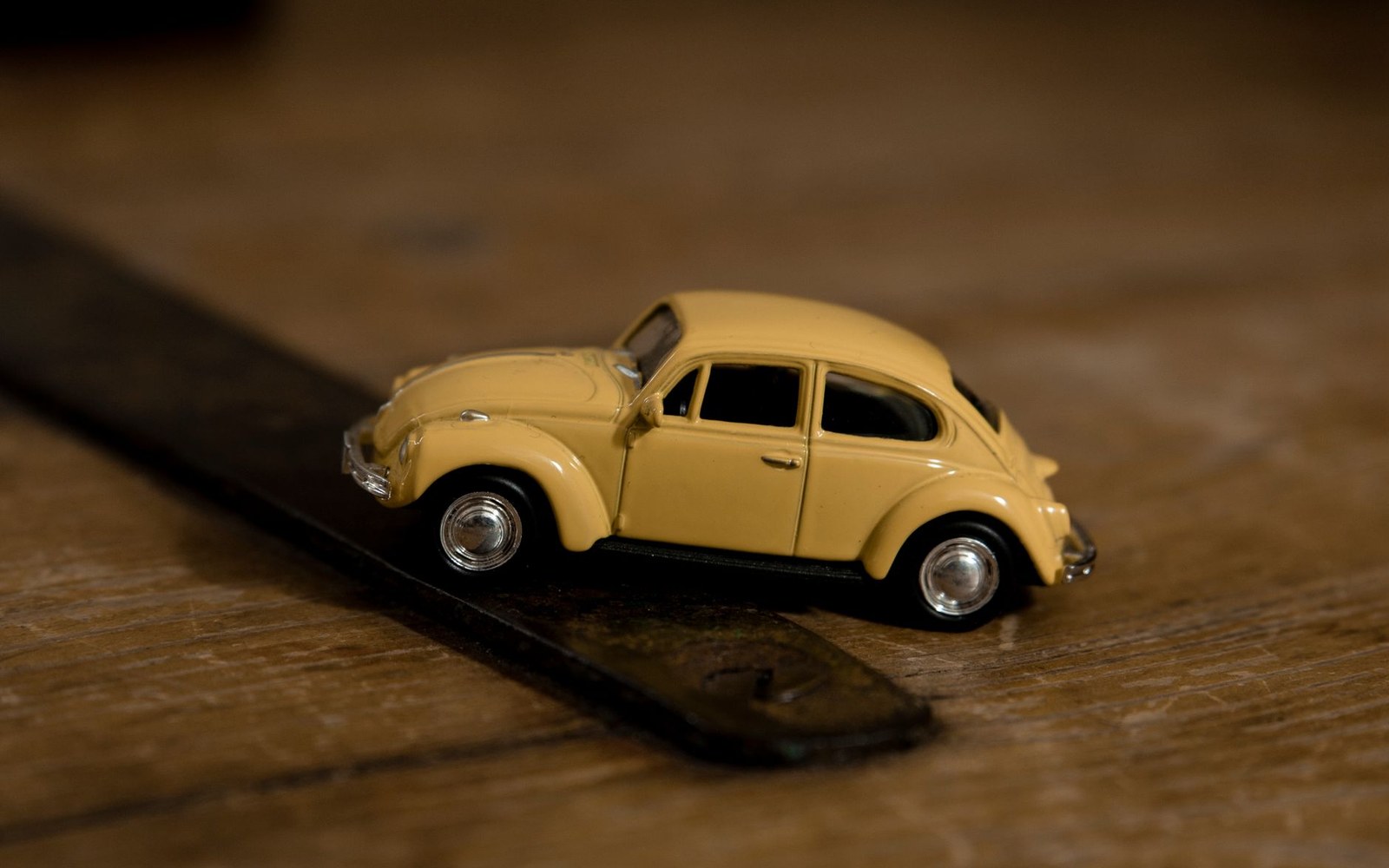
Zinc Alloy Forced Into Steel Under Pressure
Zamak — the zinc-aluminium-magnesium-copper alloy behind Dinky, Corgi and Matchbox castings — and the hot-chamber die-casting process that let small firms produce sharp, repeatable miniatures at volume. Covers alloy composition, shrinkage and the post-war British die-casting industry.
Reference piece · Materials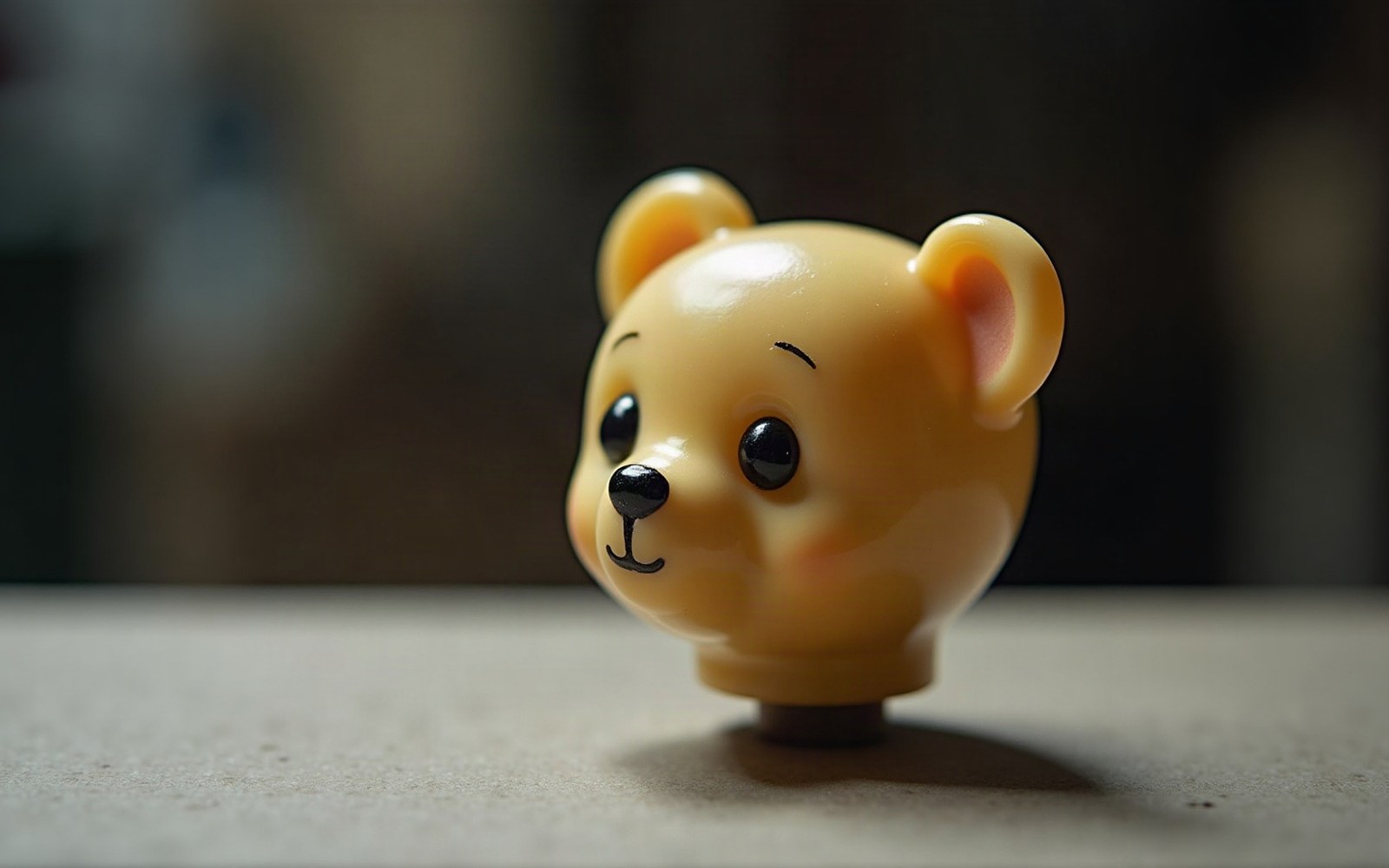
Three Plastics in Sequence and What Each One Could Not Do
A comparison of celluloid, Bakelite and polystyrene as consecutive toy-manufacturing materials — what each enabled, what it prevented, and why each was displaced. Uses specific products (celluloid dolls, Bakelite radio toys, polystyrene Airfix kits) as the evidence.
Reference piece · Materials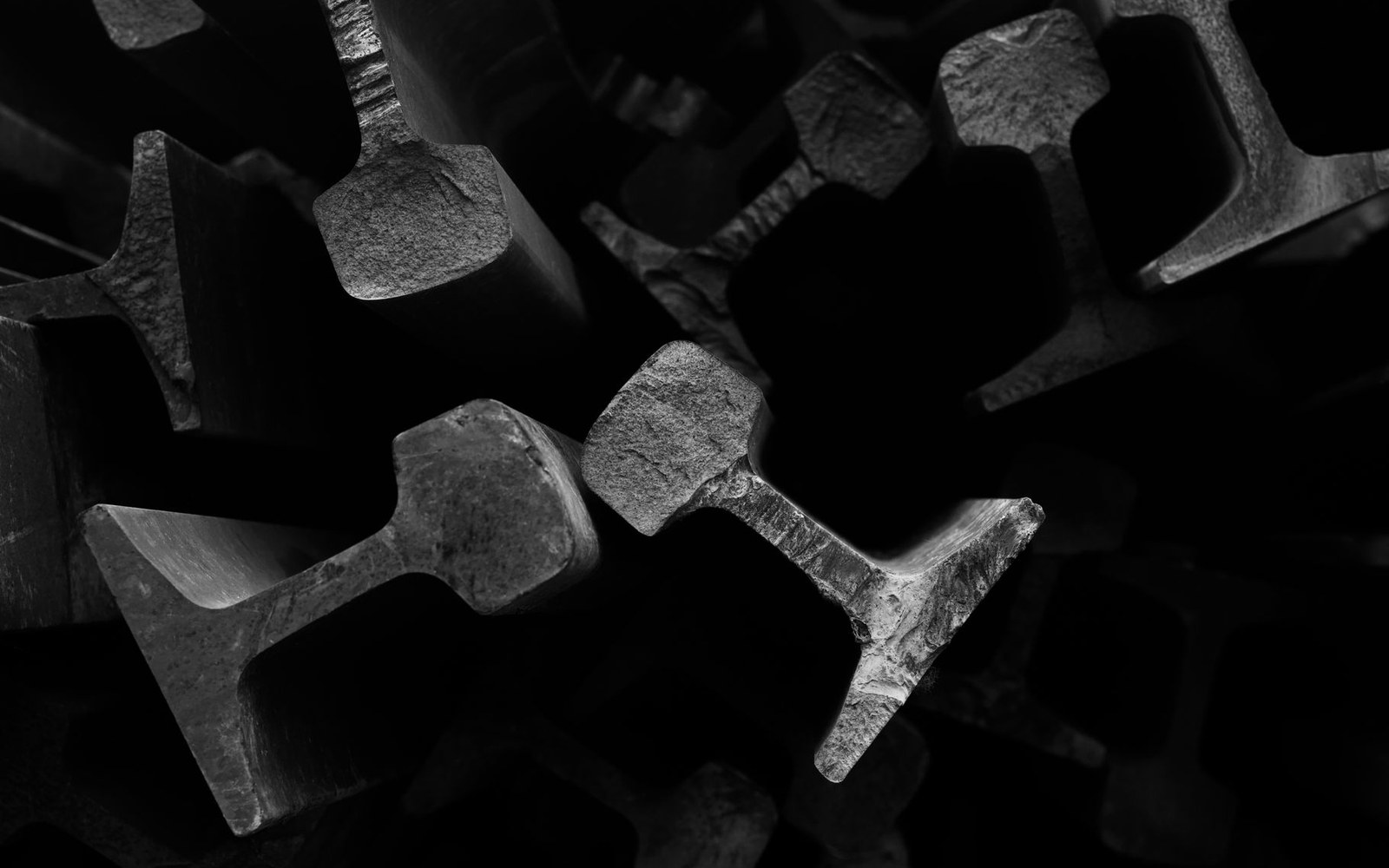
The Injection Tool as the Real Capital Cost
Why the steel mould — not the plastic pellets or the machine — is the financial barrier to entry in plastic toy manufacturing. An argument that the mould tool explains the concentration of the industry in Billund, Hong Kong and Shantou.
Reference piece · Materials