Places
The districts, fairs and factory towns where the toy trade was invented and moved.
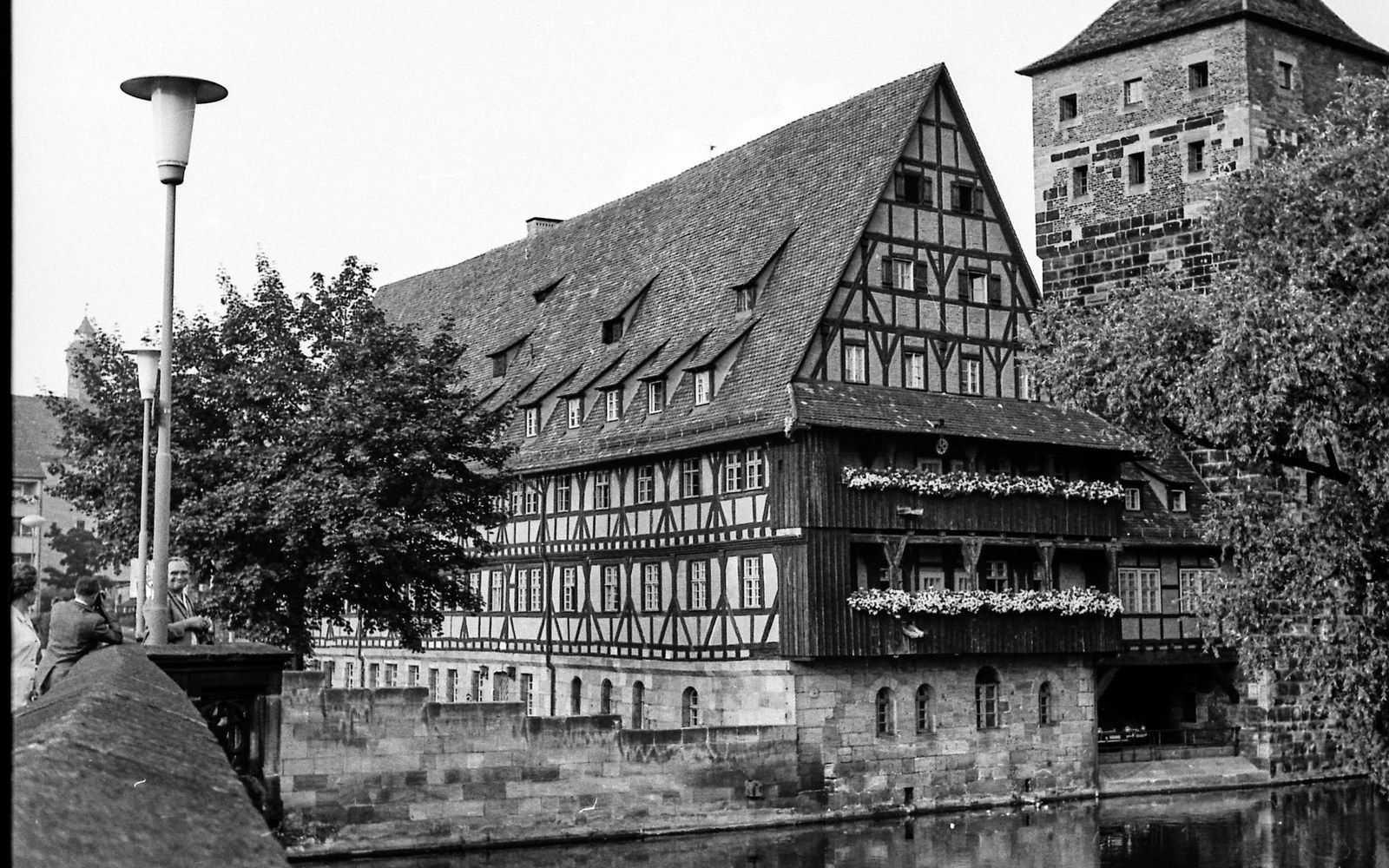
Nuremberg, 1950: The Fair That Restarted the German Trade
The Nuremberg Toy Fair's founding in 1950 (and its pre-war history from 1903 in New York) as a physical site where the post-war German toy industry re-established its export position. Covers the hall layout, the exhibitors and what the fair tells us about the recovery of Nuremberg and Sonneberg.
Lead piece · Places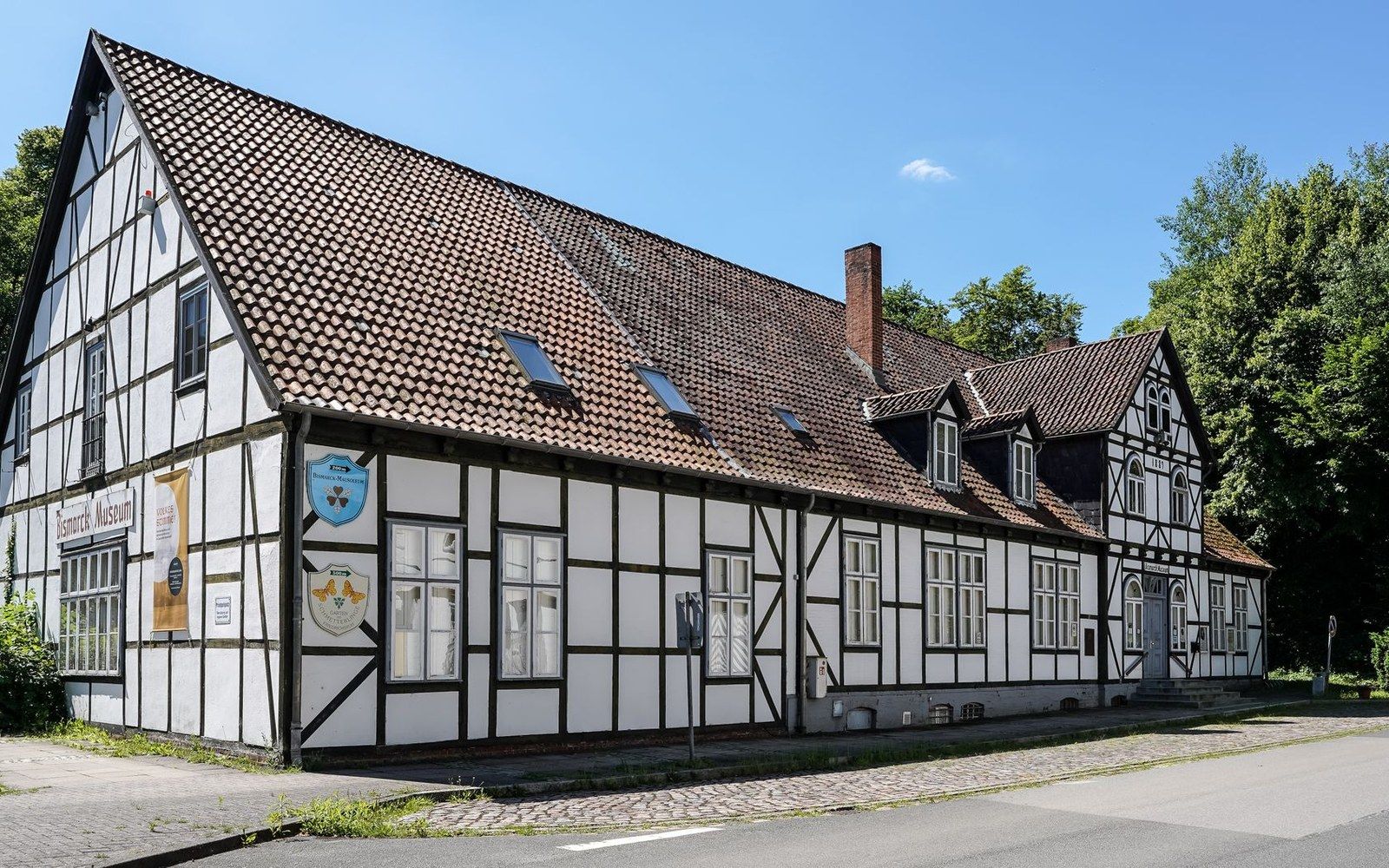
Sonneberg and the Cottage Industry That Supplied Europe
How the Sonneberg district in Thuringia organised toy production through a putting-out system — components made in farmhouses, assembled centrally, exported through Nuremberg merchants. Covers the period from the eighteenth century through partition in 1945.
Reference piece · Places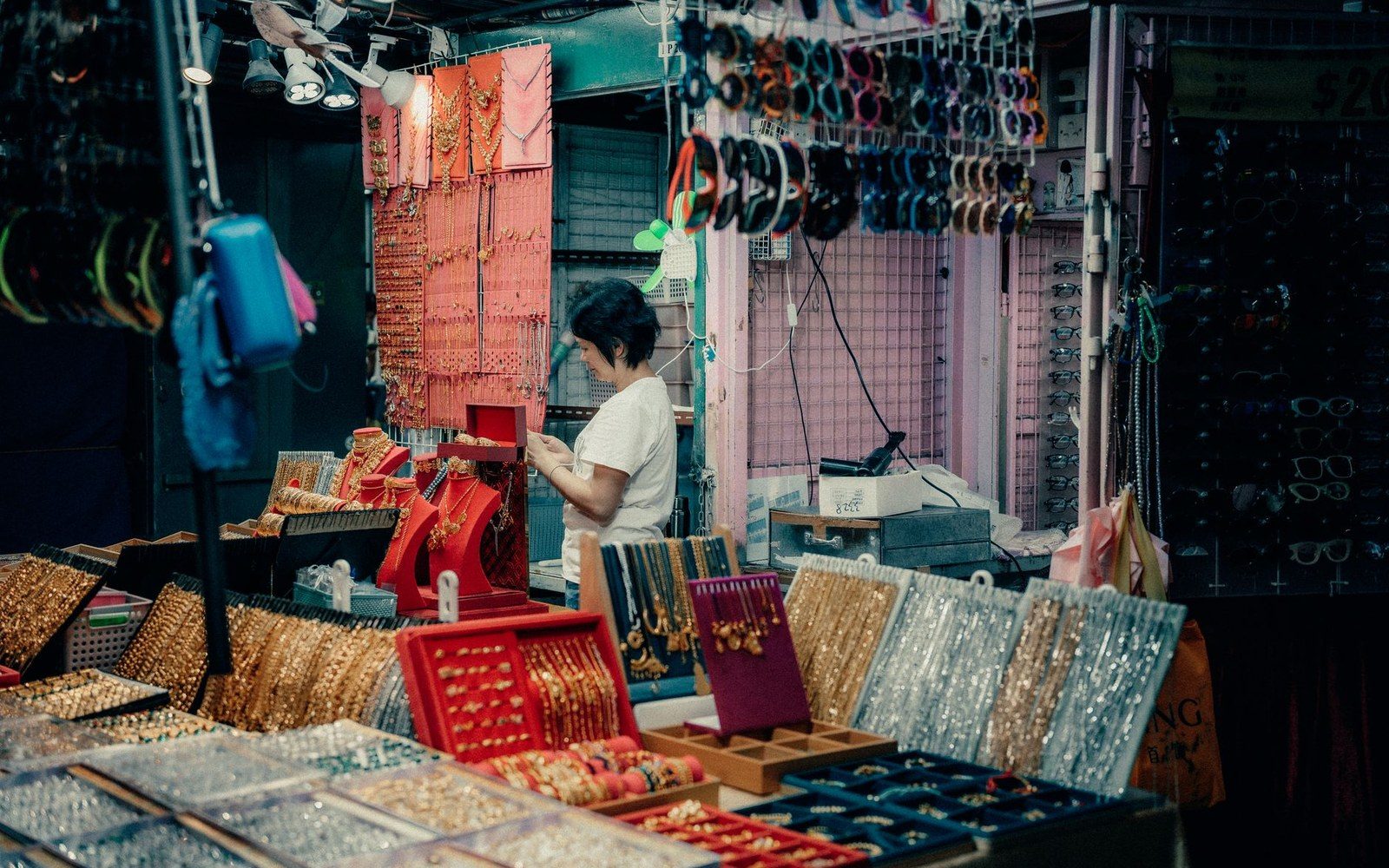
Hong Kong's Plastic Era: The Workshop That Ran from 1950 to 1990
How Hong Kong became the world's largest toy exporter through low-cost injection moulding, largely for American and British importers, and what moved the industry to Guangdong and Shantou when land and labour costs shifted. Names specific firms and product categories.
Reference piece · Places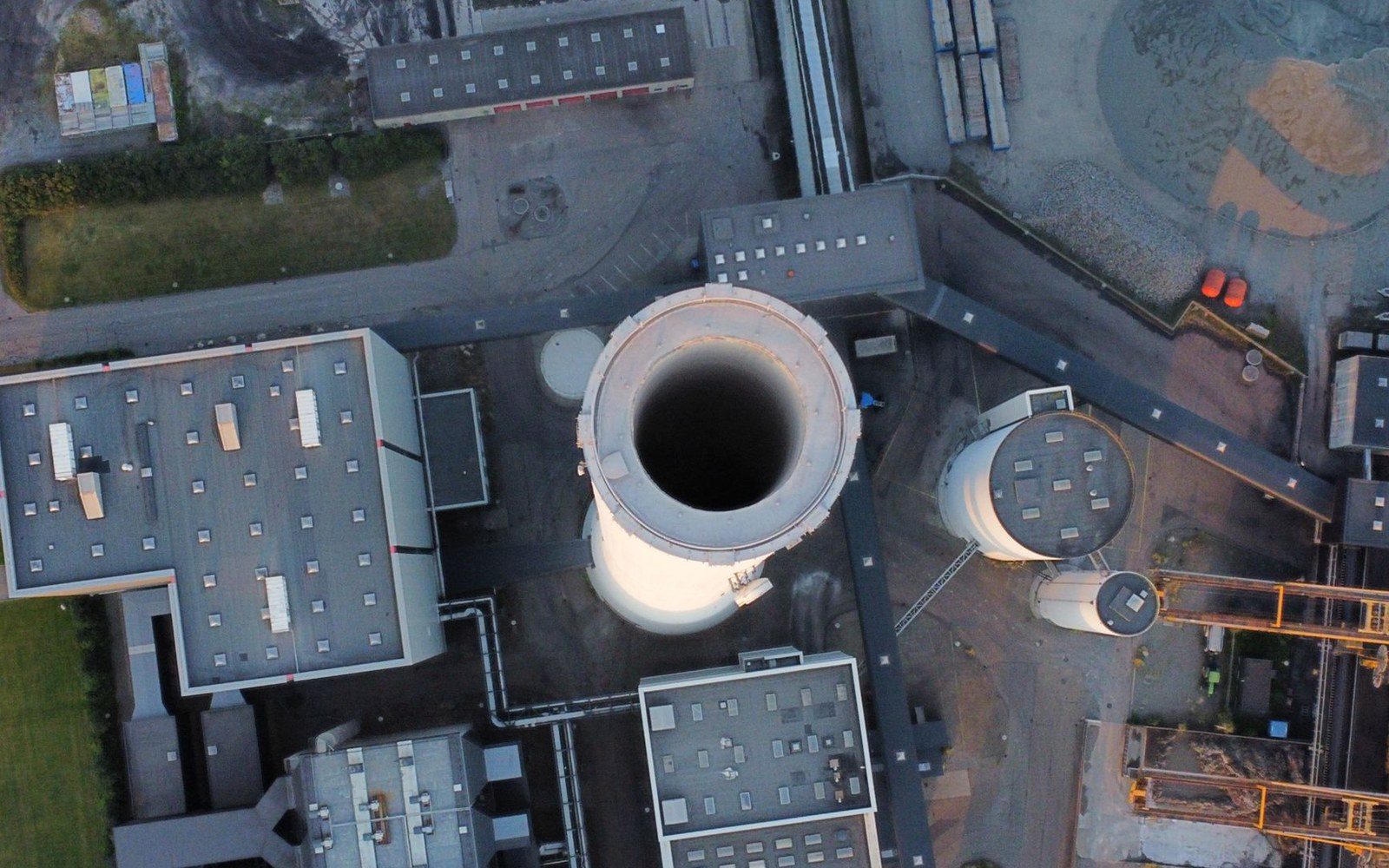
Billund: A Town Built Around One Factory
How a small Danish market town became the production centre for the world's largest toy brand — covering the Christiansen family's investment in Billund's infrastructure and the factory expansions that followed the 1958 brick patent.
Reference piece · Places
Birmingham and the British Die-Casters Behind Dinky, Corgi and Lesney
The West Midlands tooling and metalworking base that supplied the British diecast toy industry — the machine shops, the alloy suppliers and the workforce that made Birmingham the centre of Zamak miniature production from the 1930s through the 1970s.
Reference piece · Places