Lithographed Steel: Printed Before It Was a Shape
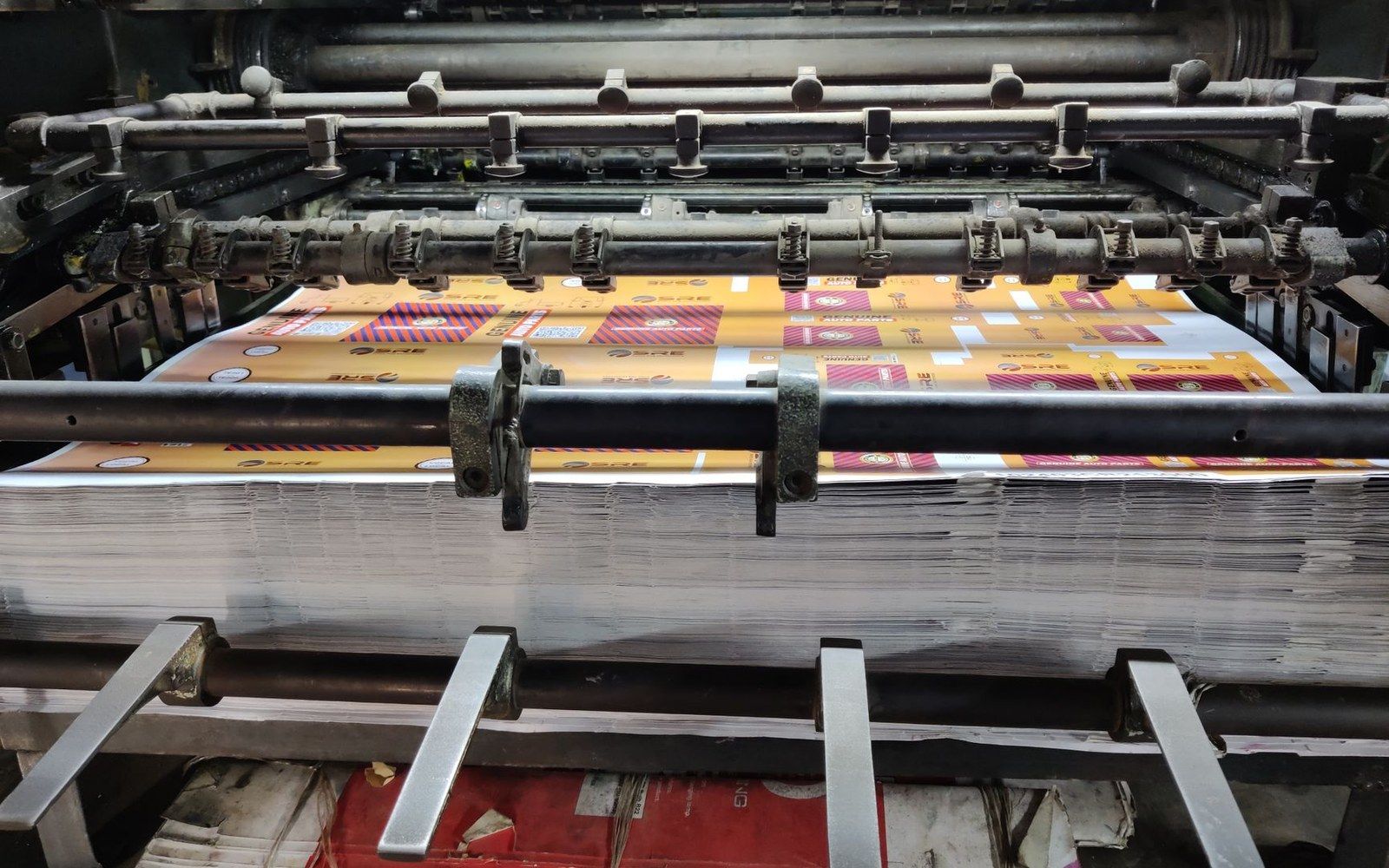
The colour went on first
In almost every manufacturing process, decoration follows form. The part is made, then it is painted, plated or labelled. Tinplate lithography — the process that produced the golden age of pressed-steel toy manufacture — reversed this entirely. A flat sheet of thin steel, coated with a layer of tin to resist corrosion, received its full colour design while it was still a blank rectangle on a press bed. Only afterwards, once the ink was dry and the varnish cured, did the sheet move to the forming presses that bent, rolled and crimped it into a locomotive body, a clockwork car, or a money box.
The method was an adaptation of offset lithography applied to metal rather than paper. In commercial tinplate printing, the design was transferred from an engraved stone or, later, a zinc plate onto a rubber blanket, and from the blanket onto the flat sheet in a single pass. Each colour required a separate pass and a separate plate, so a toy with four printed colours passed through the press four times before a single crease had been made in it. Registration — the precise alignment of each successive colour layer — determined whether a locomotive's livery looked crisp or whether its red boiler band wandered half a millimetre from its black outline.
Nuremberg and the pressed-steel workshops
The firms that brought this technique to its highest pitch of development were concentrated in southern Germany, above all in and around Nuremberg ↗, where the metalworking trades had operated since the medieval period. Bing, founded in 1863, and Märklin, operating from Göppingen in Württemberg, both invested heavily in lithographic print lines from the 1890s onwards. The advantage was economic as well as aesthetic: a printed surface required no hand-painting, no decal application, and no skilled finisher standing at a bench. One trained lithographer overseeing a power press could prepare sheet stock for hundreds of identical toys per shift.
The forming tools that followed were themselves precision instruments. Each body panel was stamped from pre-printed sheet by a hardened die that had to be designed in exact register with the printed artwork — the fold lines, the tab slots and the hinge points had to fall in blank margins or deliberate interruptions in the design. This demanded that the graphic artist and the toolmaker work from the same flat template, with the printed image treated not as decoration applied to an engineering component but as an integral part of its surface geometry. A misaligned design did not merely look wrong; it could mean a fold ran through a window frame or a crimped seam bisected a figure's face.

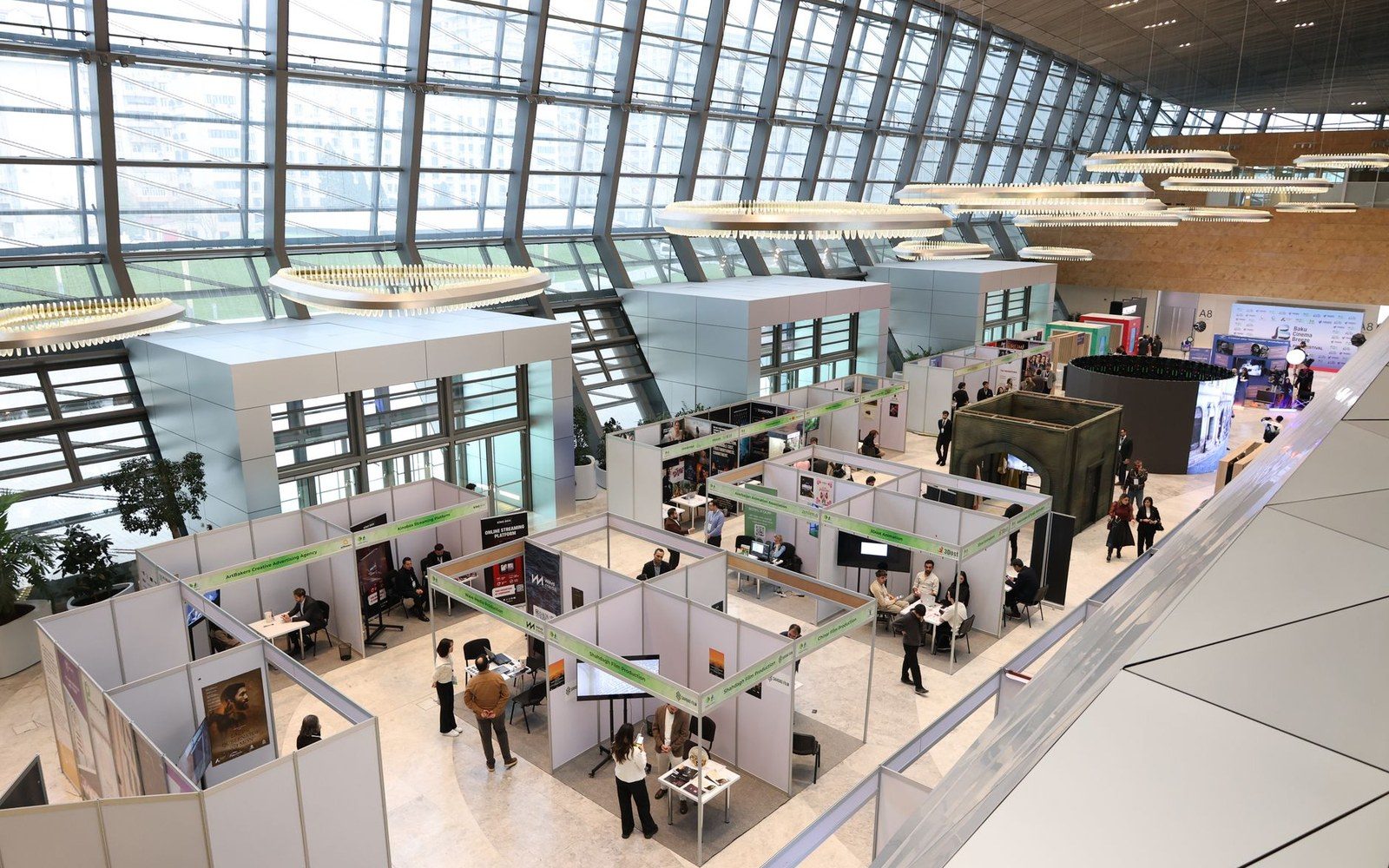
Trade fairsand wholesale catalogues were the channels through which lithographed tinplate toys from German manufacturers reached British, French and American importers; the Nuremberg Toy Fair itself was not first held until 1950. Trade catalogue pages from before 1914 show steam ships, cars and carousel mechanisms whose surfaces carry four- and five-colour printed designs of considerable refinement — the finish achievable because the printing preceded every deformation of the metal.
What plastics changed, and what they did not
The shift from tinplate to injection moulding from the early 1950s onwards eliminated the lithographic print stage almost entirely. Injection-moulded parts were formed in the colour of their plastic feedstock; further decoration, where needed, was applied by pad printing or heat-transfer labels after moulding — reverting to the conventional sequence of form-then-decorate. The visual character of the two approaches is immediately legible to anyone who handles both: a lithographed tinplate piece carries its colour inside the surface, protected by varnish and fused to the substrate under heat; a pad-printed plastic part carries its colour on top, where it is vulnerable to abrasion.
What the plastic era could not replicate was the particular optical quality of tinplate lithography ↗, in which the metallic substrate shows faintly through translucent ink layers and gives highlights an internal luminosity. Conservators working with museum-grade tinplate pieces note that the varnish overcoat — typically a cellulose-based lacquer baked at around 150 °C — is now the chief point of fragility, crazing and lifting from the substrate as it ages. The printed ink beneath is frequently in better condition than the protective layer placed over it.
The German workshops that perfected the technique between the 1890s and 1940s left no successor process capable of matching it at equivalent cost. Lithographed tinplate is a closed chapter in manufacturing history — entirely specific to the material, the press technology and the economic logic of a particular era.