The Injection Tool as the Real Capital Cost
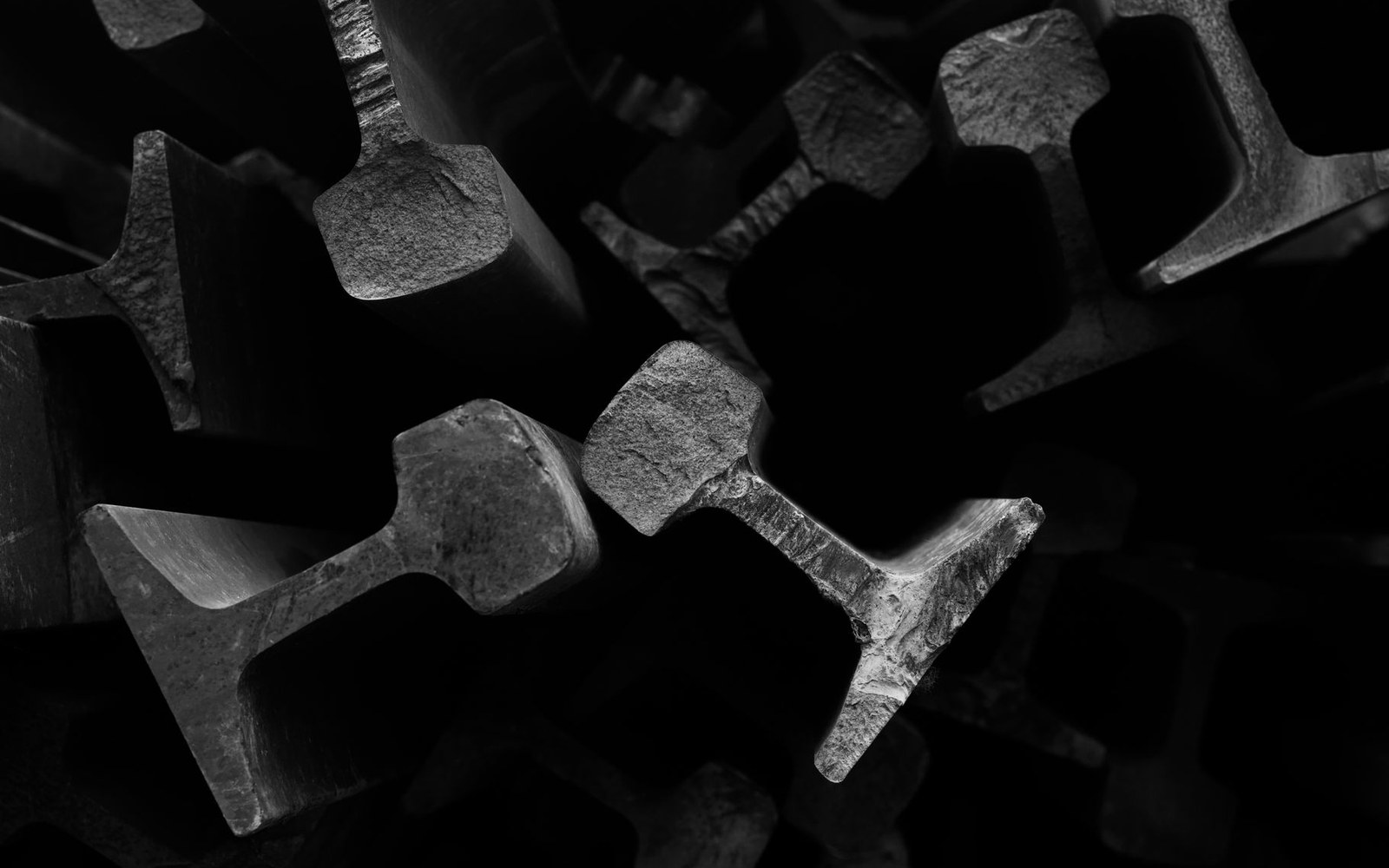
Why the Mould, Not the Machine, Locks the Market
In plastic toy manufacture, raw material is cheap and injection-moulding machines are leasable. The steel mould tool — the precision-machined hardened-steel cavity and core assembly into which molten plastic is injected — is neither. A production-grade tool for a single complex part can cost tens of thousands of pounds before a single piece is pulled from it, and that cost is sunk: it cannot be liquidated, redeployed or written off against a competitor's order. It is the real barrier to entry, and it explains, more than labour rates or geography, why injection-moulded toy production consolidated where it did.
The mould must hold tolerance across hundreds of thousands of cycles. For a part like a LEGO brick, where clutch power depends on stud and tube diameters held to 0.005 mm, the steel must be hardened, polished and periodically recut. A single mould tool for a System brick can contain many cavities — the same geometry repeated across the tool face so that each shot produces multiple parts — but the capital commitment remains front-loaded and irreversible. Smaller manufacturers without the volume to amortise that cost over long runs simply cannot compete on price.
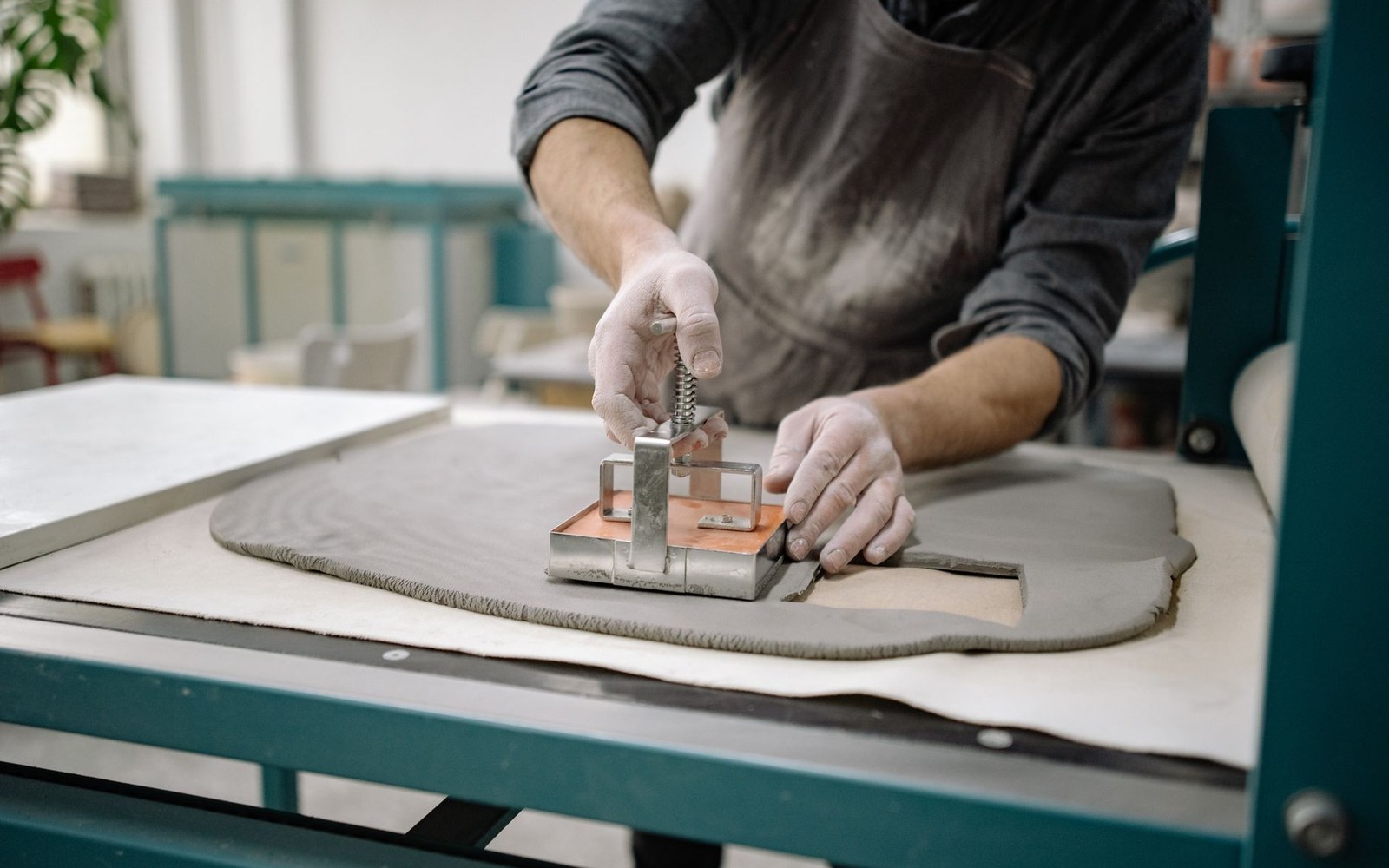

This logic drove concentration in Billund, where LEGO built an in-house toolmaking capacity from the early 1960s onwards, giving the firm control over tolerances that outside suppliers could not reliably match. It drove concentration in Hong Kong, where a dense network of toolmakers and moulders emerged through the 1950s and 1960s because shared infrastructure — skilled toolroom labour, wire-EDM capacity, steel supply — reduced the per-tool cost for any single manufacturer. And it drove the later shift to Shantou in Guangdong province, where the same logic repeated at lower labour cost but required the same upfront tooling investment that had defined the industry from the start.
The machine itself — a horizontal injection press with a heated barrel and a clamping unit — is a general-purpose piece of capital equipment that any moulding shop can operate. It can run a toy part or an automotive clip or a medical housing with equal indifference. The mould is specific: it encodes one product, one geometry, one generation of a design. When Mattel or Hasbro retire a product line, the tooling is typically scrapped or warehoused rather than reused, because injection moulding ↗ tools are not interchangeable between designs. That disposal cost is also real, if smaller than the original investment.
What the mould tool is, then, is a committed bet on a product's commercial life. The toy industry's geography reflects where the infrastructure to make and amortise that bet existed at sufficient scale.