Mohair Plush Over Wood Wool: What a Steiff Bear Is Made Of
The material logic of the classic stuffed animal
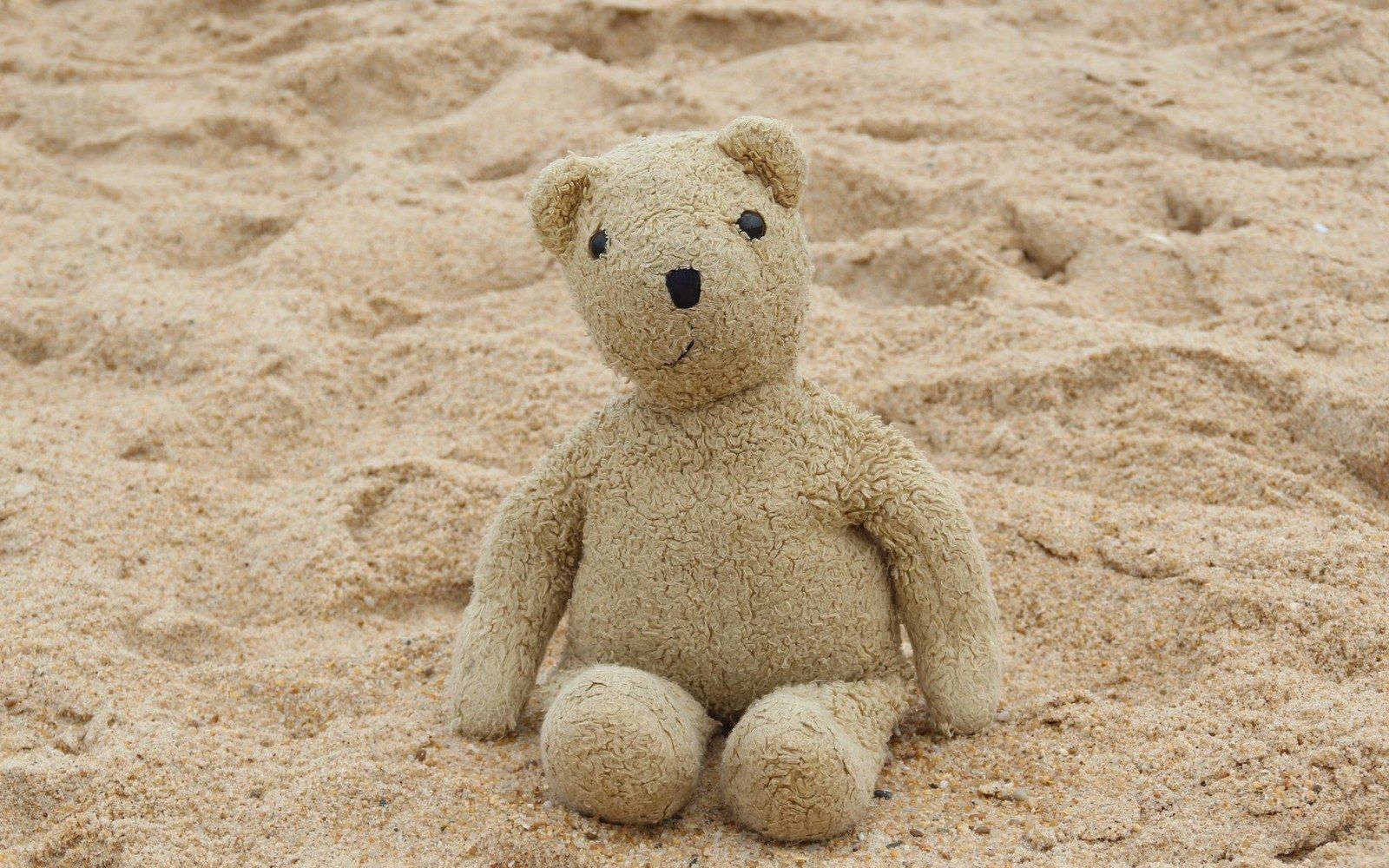
A Steiff bear from the first quarter of the twentieth century is essentially a textile vessel stuffed with compressed wood shavings and articulated by hardwood discs — a material combination chosen for structural reasons, not sentiment.
The outer fabric is mohair plush, a woven pile cloth made from Angora goat hair. Its particular value in stuffed-animal manufacture is mechanical: the fibre takes a dense, even pile, resists matting under repeated handling, and holds its sheen over decades in a way that cotton or wool pile cannot. Steiff sourced woven mohair from specialist Yorkshire mills, where the Angora hair was combed, woven on a backing cloth and then cut to produce the characteristic upright pile. The fabric arrived at Giengen an der Brenz, the firm's production base in Baden-Württemberg, in lengths ready for pattern-cutting.
The stuffing is excelsior — fine wood shavings, also called wood wool — packed under compression into the sewn shell. Excelsior fills firmly without compacting to a formless mass, which means the bear holds its modelled contours: the dome of the head, the rounded muzzle, the tapered limb. A cotton-wool secondary fill was sometimes used in the extremities to soften the feel at the paw ends, but excelsior carries the primary structure. Steiff's preference for excelsior over kapok or other softer fills was precisely this capacity to retain a sculptural form — the physical result of Richard Steiff's attention to anatomical plausibility in the 1902 bear design ↗.
The jointing system uses hardwood discs, typically beech, paired with a metal washer and a cotter pin crimped to hold the disc in position against the corresponding limb or head cavity. Rotating the limb spreads the pin tails against the washer; the joint holds its set but allows the full range of movement. The disc diameter is scaled to the bear's body size, and the cotter-pin gauge is matched to the expected stress at each joint point.
Synthetic alternatives — nylon plush, polyester fibrefill, plastic safety eyes — entered the market in volume from the 1950s onward, offering lower material cost and compliance with tightening flammability and small-parts regulations (formalised in BS 5665 and later EN 71 ↗). Steiff's collector-grade lines continued to specify mohair plush and excelsior into the twenty-first century, documented in the firm's own product specifications, though production volumes of the traditional specification remained a fraction of earlier output.
The combination endures in museum-quality and limited-edition bears because its material properties are genuinely functional, not merely traditional: mohair resists, excelsior holds, hardwood joints articulate without fatigue.