Nuremberg, 1950: The Fair That Restarted the German Trade
The trade fair that reconvened in a bombed city became the instrument by which the German toy industry reclaimed its pre-war export position — one buyer at a time.
From New York to Nuremberg
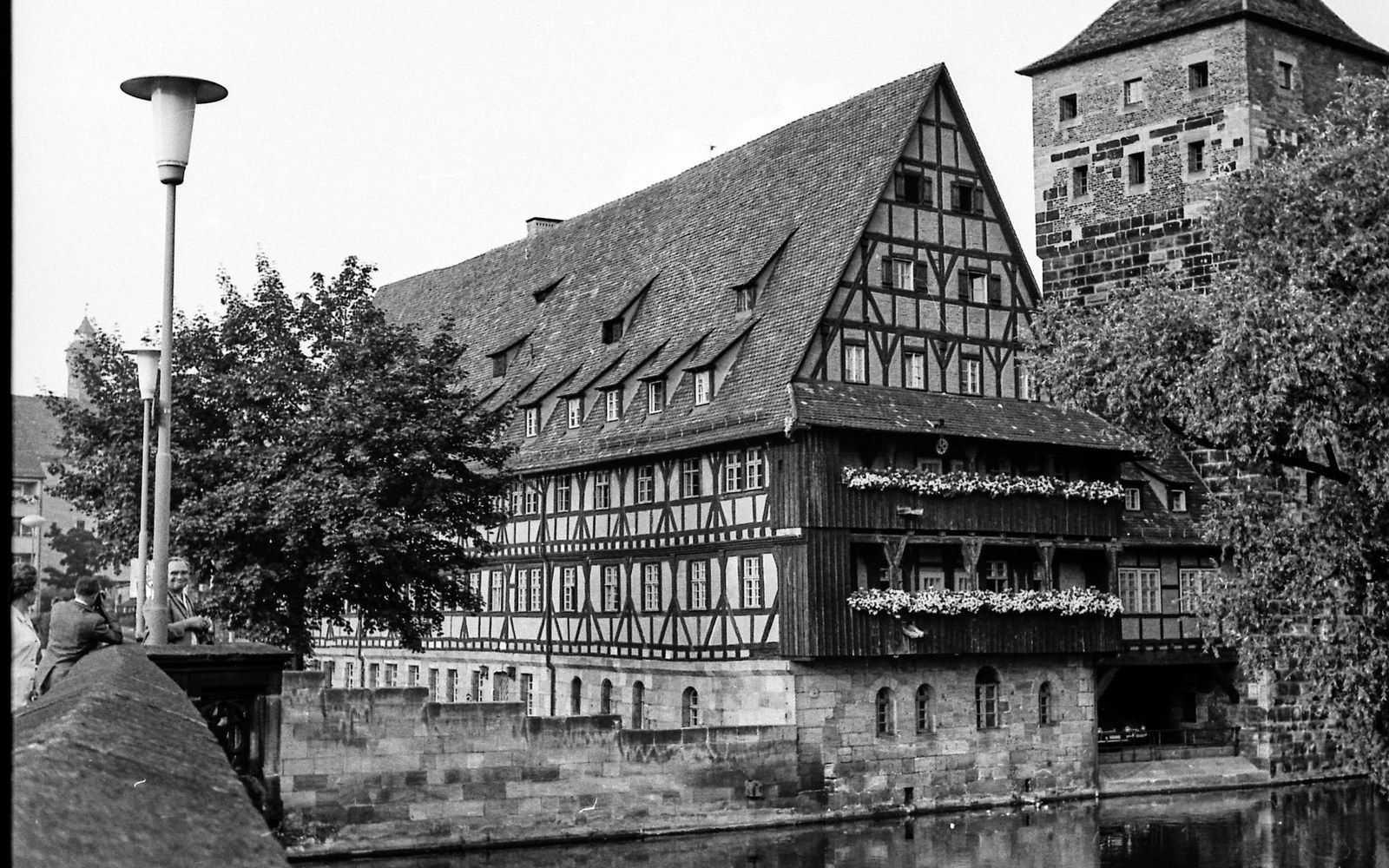
The Spielwarenmesse — the German toy trade fair, literally "toy goods fair" — did not begin in Nuremberg. Its direct ancestor was a display organised in New York in 1903 by German exporters anxious to reach American buyers without crossing the Atlantic. That model migrated: a permanent fixture in Leipzig served as the industry's primary European showcase through the interwar decades, supplementing the seasonal displays that Nuremberg wholesalers had long run from their city's warehouses. Nuremberg's claim to the trade was already old. The city had been a centre of toy manufacture and distribution since at least the sixteenth century, supplying carved wooden and tinplate novelties across European markets through a network of merchants whose records survive in the Stadtarchiv Nürnberg.
The war dismantled that structure catastrophically. Allied bombing levelled roughly ninety percent of Nuremberg's historic centre between 1943 and 1945. The factories and trading houses that had made the city the clearing-house for southern German toy production were gone or gutted, and the workforce was scattered. Sonneberg, the great cottage-industry district in Thuringia, lay in the Soviet occupation zone after 1945, severing the supply chain that had fed finished goods northward for export staging.
The 1950 Reopening
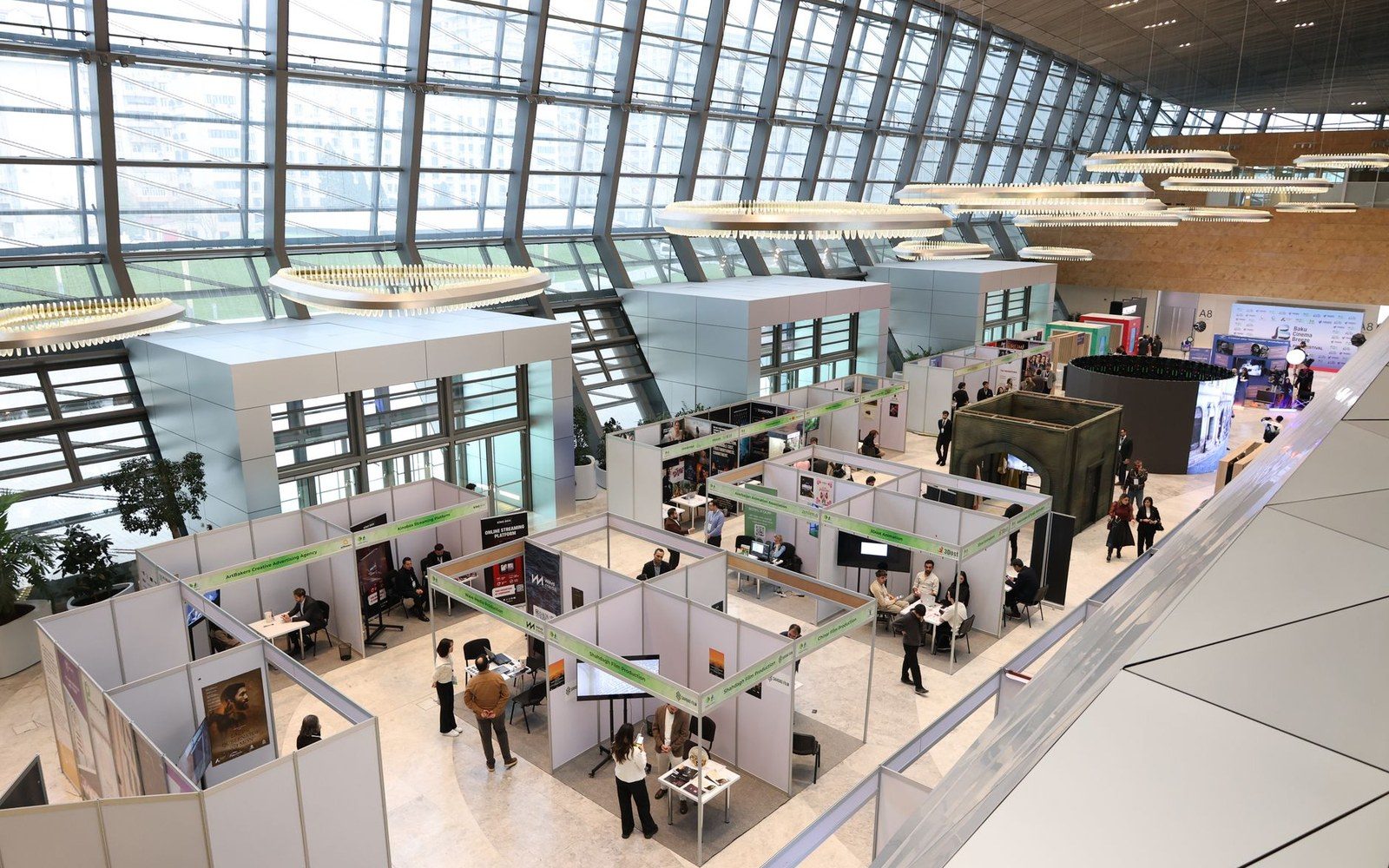
Against that background, the decision to hold a dedicated toy trade fair in Nuremberg in 1950 was both a practical necessity and a deliberate signal. The Nuremberg Toy Fair ↗ opened on 4 March 1950 with around eight hundred exhibitors, occupying what usable hall space the city could assemble. The immediate postwar years had seen provisional displays — 1948 and 1949 saw small gatherings — but 1950 marks the recognised founding of the fair in its modern, scheduled, annual form. West German manufacturers needed a single location where foreign buyers could survey the full range of available product, and Nuremberg, despite its ruins, retained the logistical infrastructure and the industry's institutional memory.
The hall layout in those early years was improvised. Tinplate and mechanical toy producers — firms working in a tradition that included Märklin and Bing — occupied floor space alongside plush toy makers, doll manufacturers, and producers of wooden novelties. The separation between product categories that later became formalised in the fair's zoned halls was rudimentary in 1950; buyers moved between exhibitors separated by type only informally. What the layout conveyed was the range of survival: some firms had reconstituted themselves with pre-war tooling salvaged from rubble, others were operating from entirely new premises, and a significant cohort were new entrants entirely, founded between 1945 and 1949.
What the Exhibitors Revealed
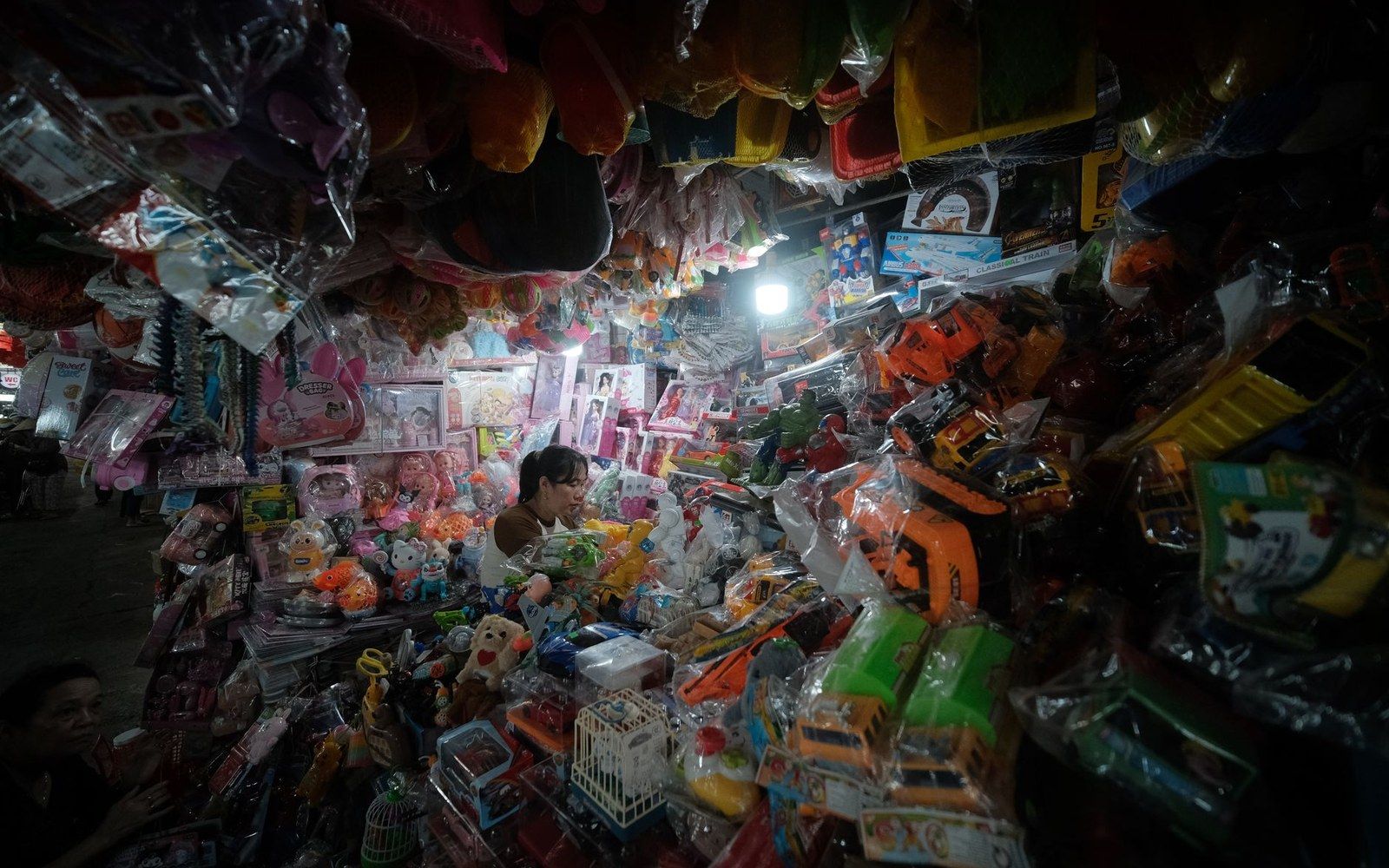
The profile of exhibitors at the early 1950s fairs is a document of industrial recovery in miniature. Tinplate lithography — the process by which flat steel sheet was colour-printed before being formed into a toy body — was still the dominant medium for mechanical toys, because the tooling investment was lower than die-casting and the supply of sheet steel, though constrained, was recovering faster than zinc alloy. Plush toy production had similarly resumed in the Nuremberg hinterland, though the best-quality mohair plush remained a prestige material in short supply, and several producers were working with synthetic pile alternatives. Steiff, based in Giengen an der Brenz to the southwest, was present and prominent; its Button in the Ear trademark, suspended during wartime disorder, was being reasserted as a mark of origin and quality.
The absence of Sonneberg was structural, not temporary. As the district consolidated within East Germany, its producers were progressively absorbed into state-owned enterprises and redirected toward Eastern Bloc markets. The trade that had once flowed west through Nuremberg's warehouses was rerouted, and West German producers who had relied on Sonneberg subcontracting were compelled to develop domestic supply chains — a pressure that, over the following decade, accelerated investment in injection moulding and plastics as substitutes for the hand-assembled wooden and composition goods Sonneberg had provided.
By the mid-1950s the Spielwarenmesse was attracting buyers from across Europe and North America, and its January-to-February scheduling — set to allow orders before the Easter selling season — had become a fixed coordinate in the international toy trade calendar. Nuremberg had not simply recovered a fair; it had consolidated a function that no other European city would subsequently displace.