Birmingham and the British Die-Casters Behind Dinky, Corgi and Lesney
The Black Country's precision metalworking tradition shaped the alloy miniature as surely as any designer's sketch.
The Industrial Base That Made the Toy Possible
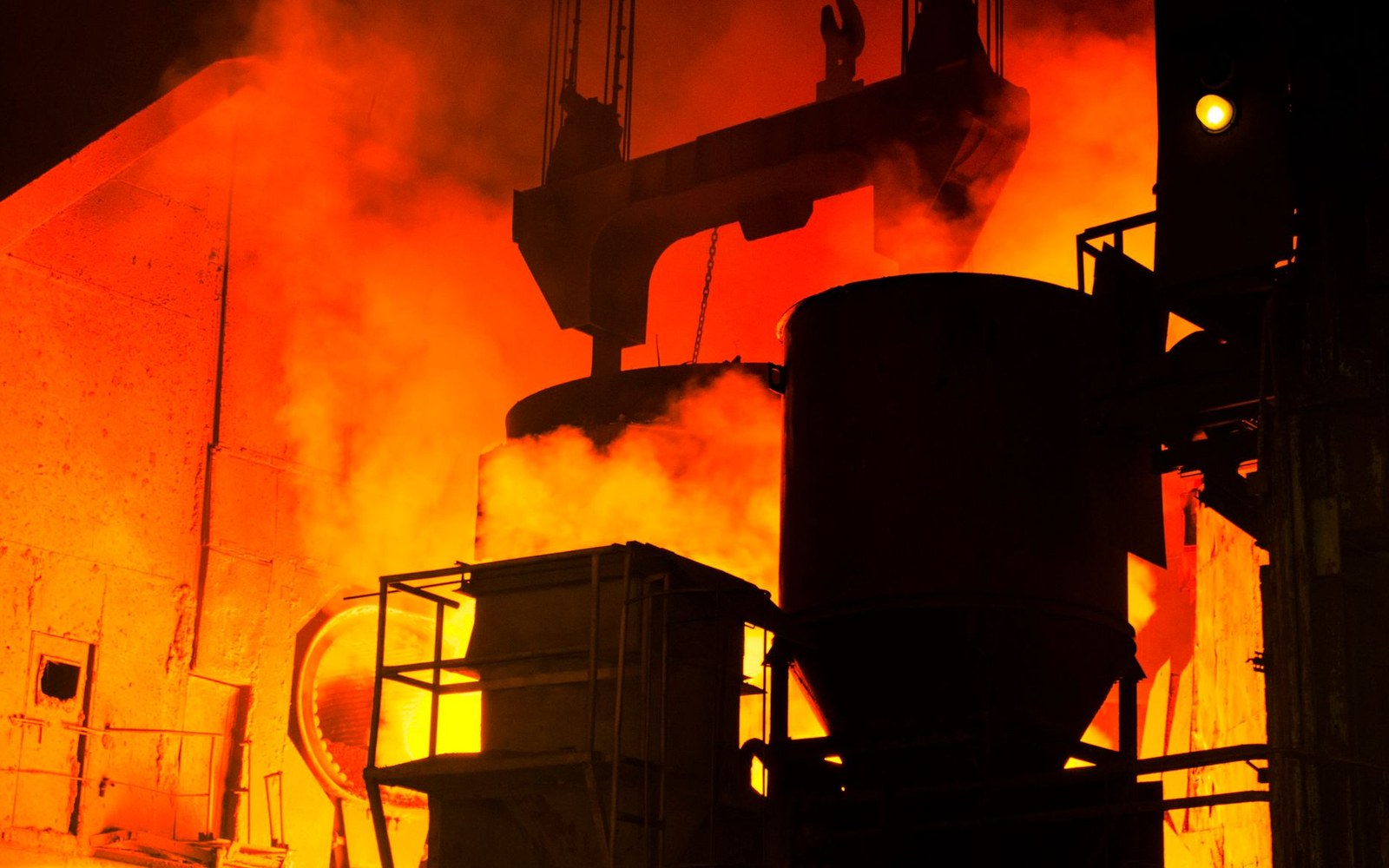
Birmingham and the surrounding Black Country entered the twentieth century carrying centuries of accumulated skill in non-ferrous metalwork — jewellery, gun furniture, brass fittings, electrical components. When Zamak die-casting arrived as a viable toy-manufacturing process in the 1930s, that existing infrastructure of machine shops, alloy suppliers, and a workforce trained in tight-tolerance metal production meant the West Midlands was structurally prepared in ways that Lancashire or Greater London simply were not.
Meccano's Dinky Toys, launched in 1934 and produced in Liverpool, drew on suppliers from across the Midlands corridor for tooling and alloy stock. The relationship tightened as the product line expanded: the hardened steel mould tools required for hot-chamber die-casting demanded a machining and heat-treatment capability concentrated most densely around Birmingham's metalworking districts. Zamak itself — the zinc-aluminium-magnesium-copper alloy family central to every die-cast miniature — was processed and supplied through a metals trade with deep roots in the region's non-ferrous foundry network.

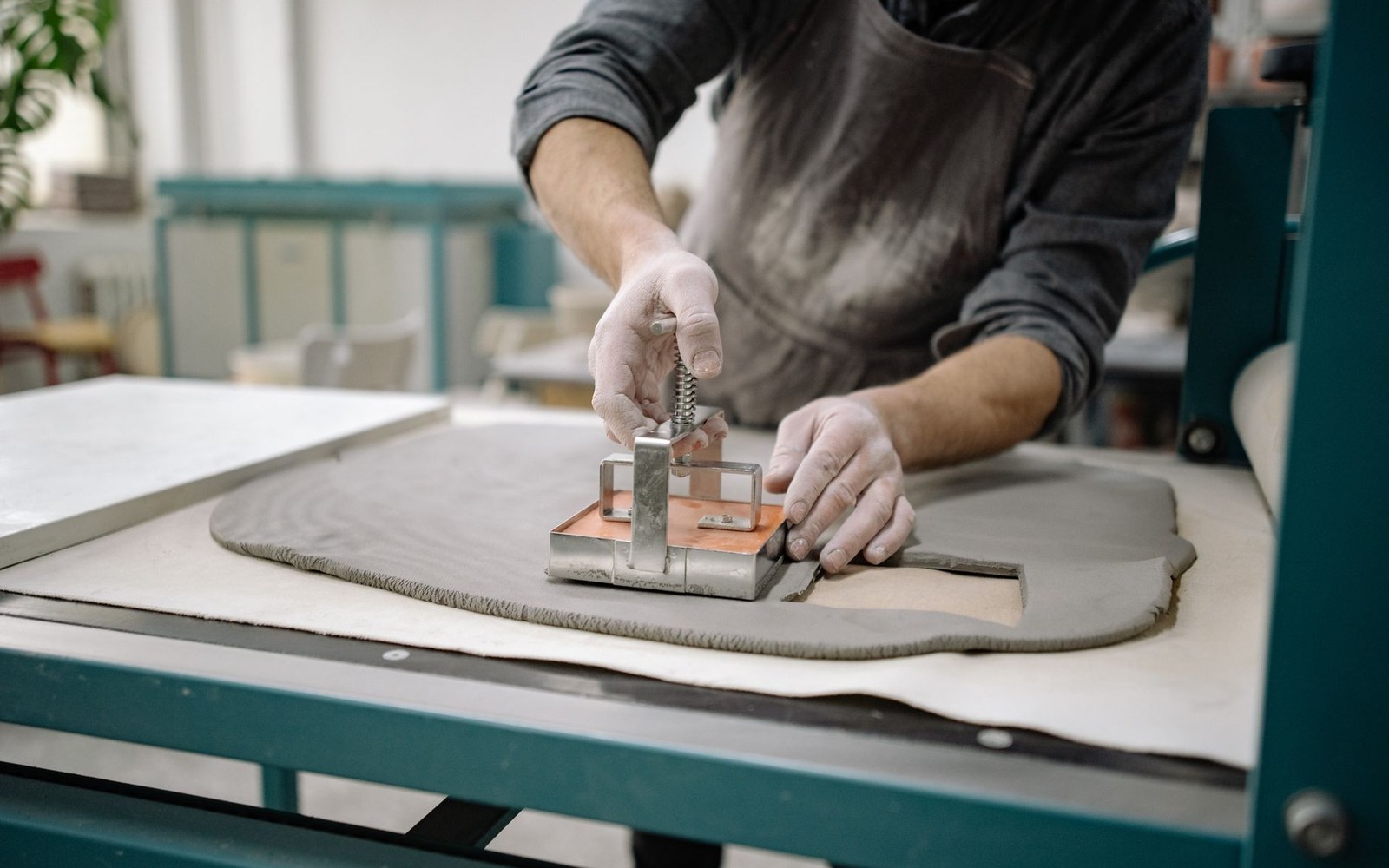
Corgi Toys, established in 1956 by the Mettoy Company at Swansea, maintained tooling relationships with West Midlands precision engineers throughout its peak production years. The steel mould tool is the principal capital cost in injection-moulded and die-cast manufacture alike; sourcing it close to existing engineering expertise kept lead times and rework costs manageable. Birmingham's gauge and instrument trades had long worked to tolerances that the toy industry's requirements — dimensional consistency in a body measured in millimetres — did not push beyond familiar limits.
Lesney Products, founded in east London in 1947, similarly depended on Midlands supply chains as Jack Odell's Matchbox range scaled from curiosity to mass-market product through the 1950s. The 1-75 series, standardised to fit a matchbox, demanded repeatable precision across millions of castings annually; the alloy sourcing and tooling infrastructure capable of supporting that volume traced back, through a web of subcontracts, to the West Midlands manufacturing base.
By the 1970s, competitive pressure from Hong Kong's low-cost plastic moulding sector was already eroding the economics that had sustained British die-casting. The workforce skills and machine-shop capacity that Birmingham had built over decades did not disappear overnight — some toolmakers redirected toward automotive and aerospace subcontracting — but the toy industry's appetite for domestic Zamak miniatures contracted sharply, and with it the specialist corner of the trade that had made Dinky wheels, Corgi bodies, and Matchbox chassis a routine output of British precision metalworking.